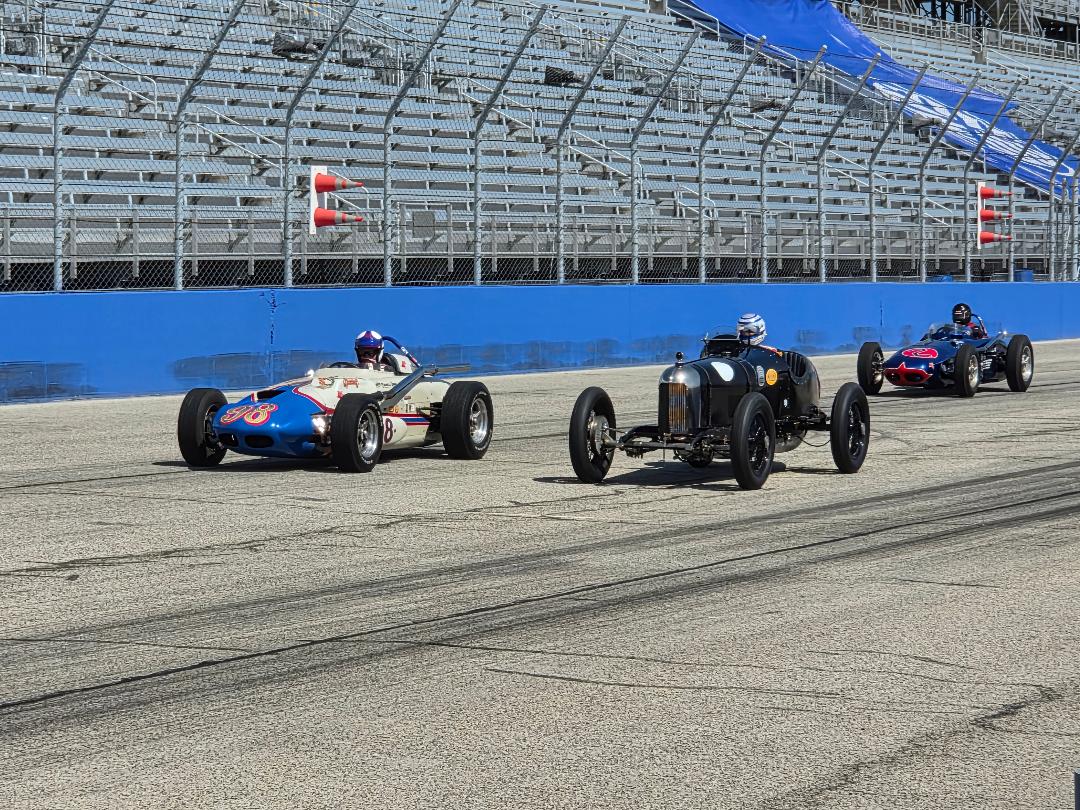
1920s Miller racers lap the Milwaukee Mile …
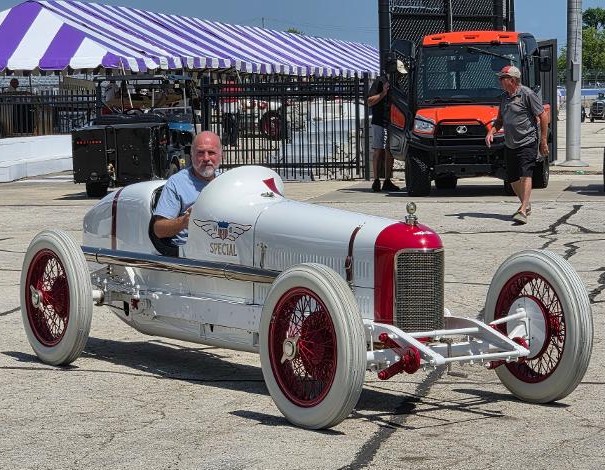
Family ties run deep in open-wheel racing. We all know about the Unsers, Andrettis, and Bettenhausens.
But go to any short track, dirt or asphalt, and you’re likely to hear about a local father and son, or grandfather, son, and grandson or granddaughter that has been racing there for generations.
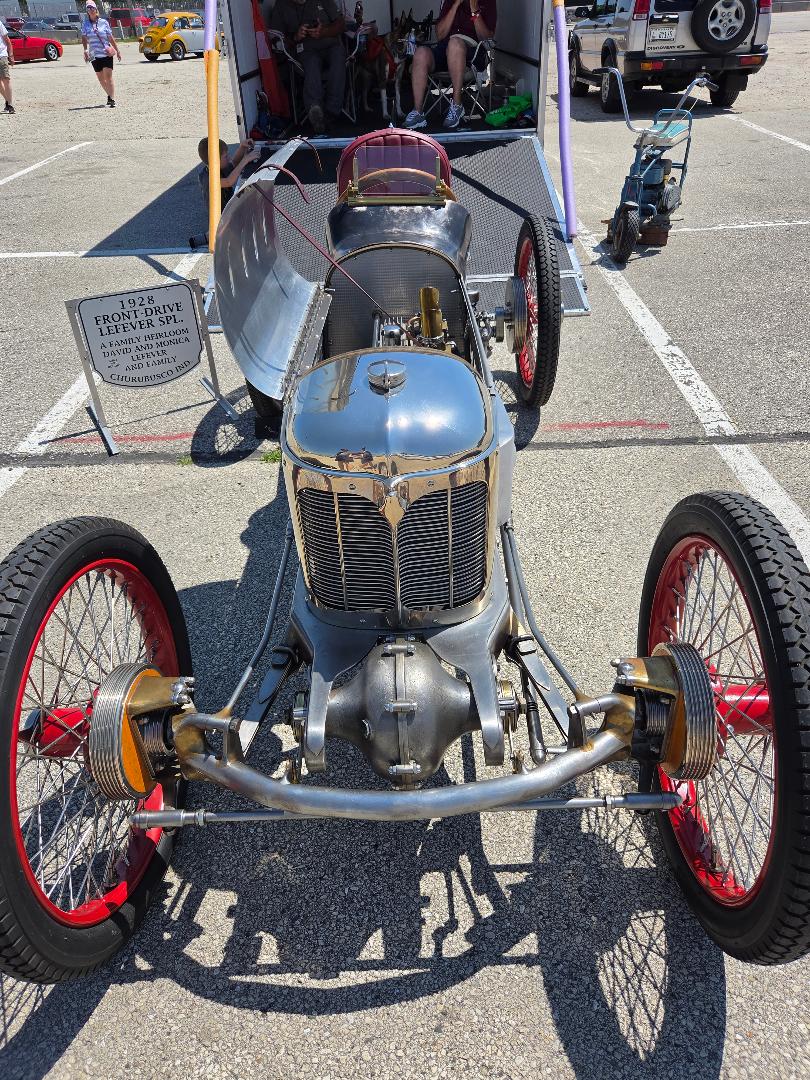
No surprise, at a vintage event there’s much of the same. Hanging out at the Millers at the Milwaukee Mile recently I met the Lefever family from Churubusco, Ind., just a little northwest of Fort Wayne.
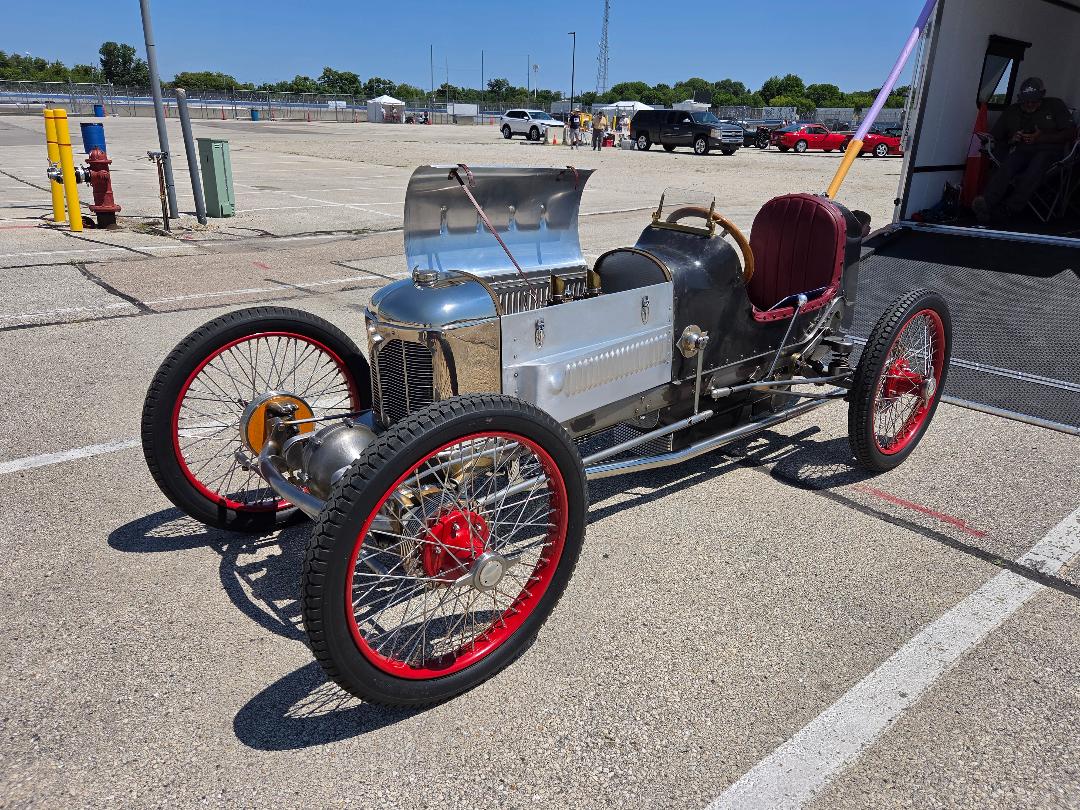
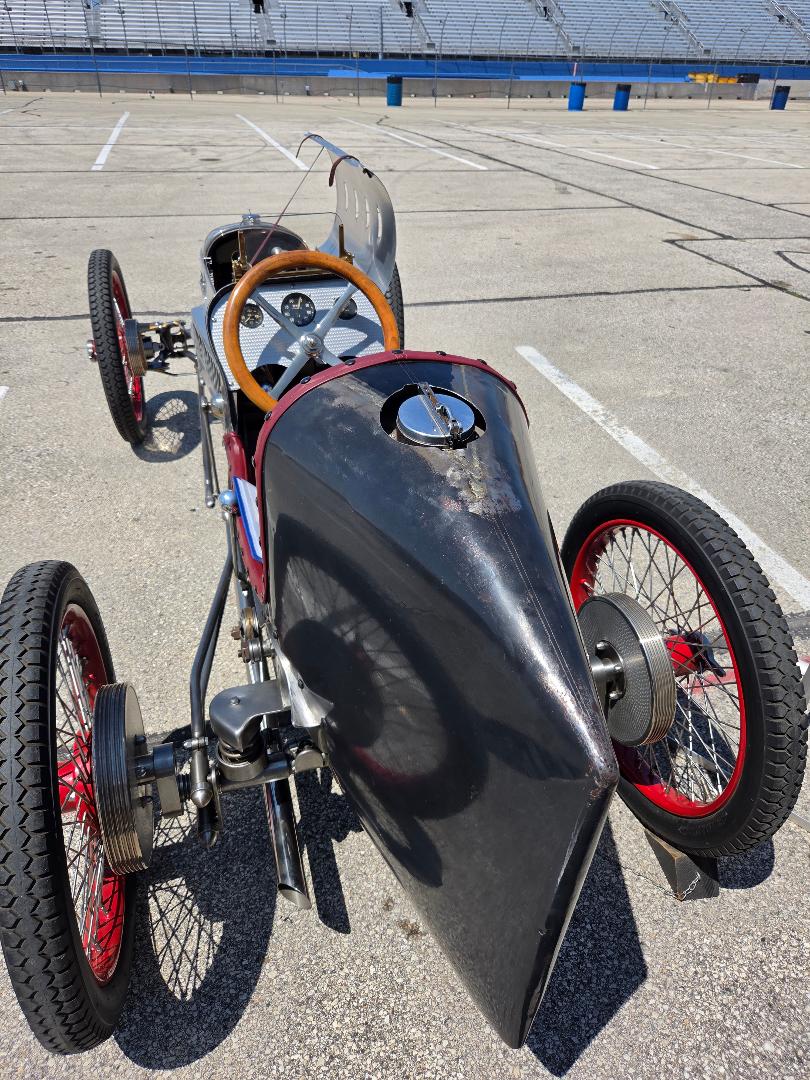
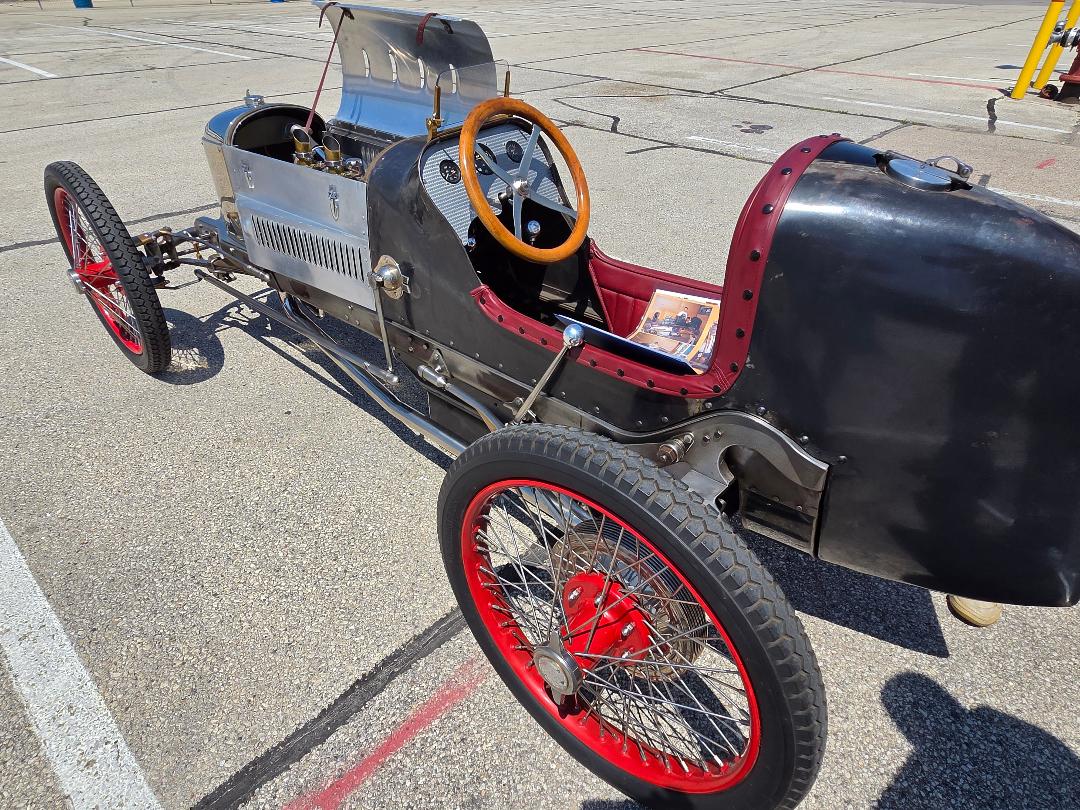
They were displaying their nearly complete 1928 Lefever Special that their dad David had been working on and displaying at vintage racing events for years. This is a home-built racer patterned after the Miller 91 created in the late 1920s by Wisconsin’s Harry A. Miller. That’s who the Milwaukee Mile event is named after. The 91, by the way, stood for its 91 cubic-inch 1.5-liter engine.
For the uninitiated, Miller was an automotive design genius and perfectionist who created racers, front- and rear-drive that are considered automotive art today. His specialty was highly advanced overhead cam engines and efficient carburetors. His engines often are referred to as jewel-like.
How successful were Miller and his engines? Miller cars filled more than half the Indianapolis 500 fields from 1926 to 1929. Millers won Indy in 1926, 1928-1930, ultimately winning nine times with three more where Miller engines powered the winner.
After Miller’s firm went bankrupt during the Depression, his business partner Fred Offenhauser bought him out and his Offy engines, as they were called, went on to win Indy 27 times from 1935 through 1976, including a perfect streak from 1947-1964.
So, Miller and Offenhauser, ruled Indy for years and many of those cars show up each year at the Milwaukee Miller event.
But back to the Lefever family. David died in 2024, but the family continues to bring his home-built 1928 version of a one-seat racer to the Miller event. The car continues to be updated, but has never quite been finished. That’s still in the works and his family say they hope to run it soon. They know the front-drive system and engine work. And they are thinking of leaving the body work unfinished to honor David’s work and drive home (sorry) the fact this was home-built.
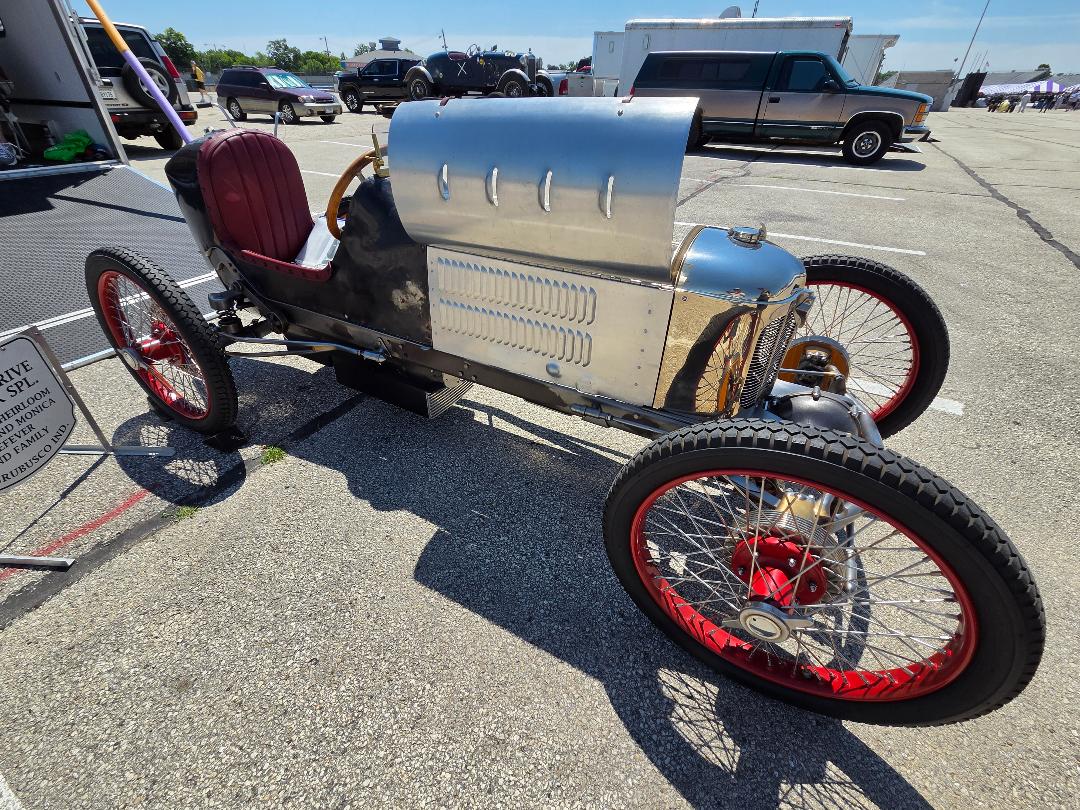
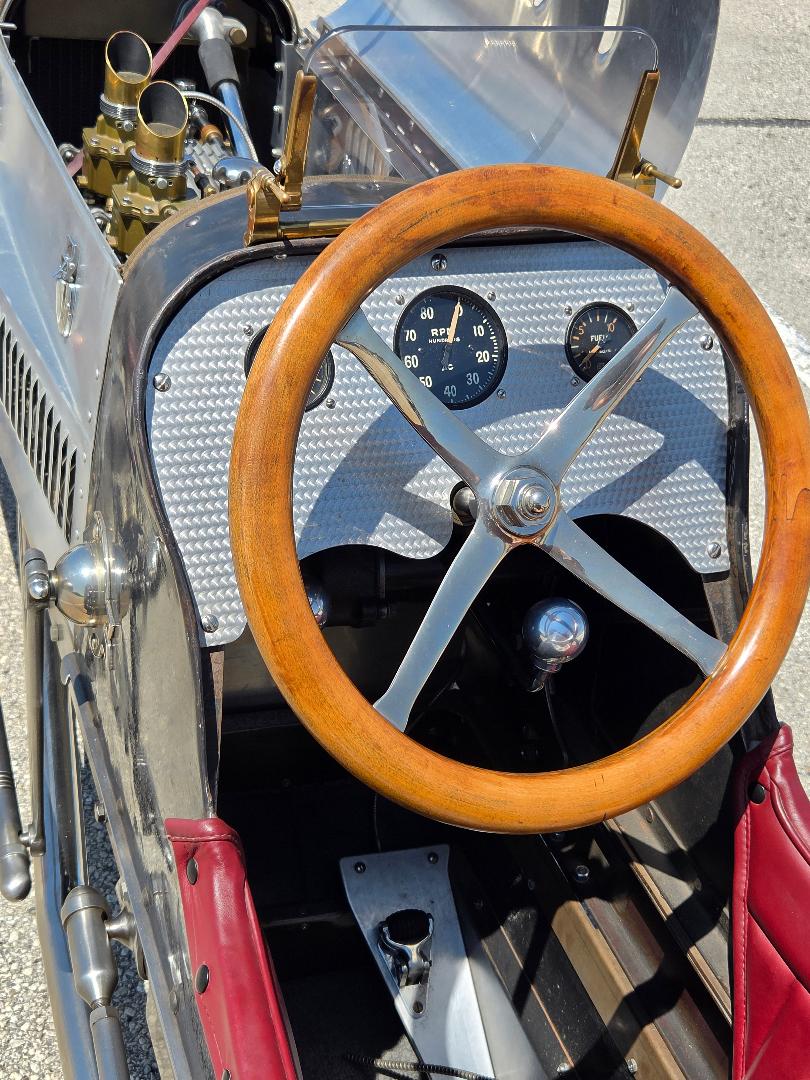
Their motto for the car is Built, Not Bought.
1920s vintage Millers:
Plenty of other fancy metal and Miller racers were on hand. Here’s a sprinkling of photos and brief descriptions of the 1920s Millers that lapped the Mile. More on other racers, and notable antiques, in future posts.
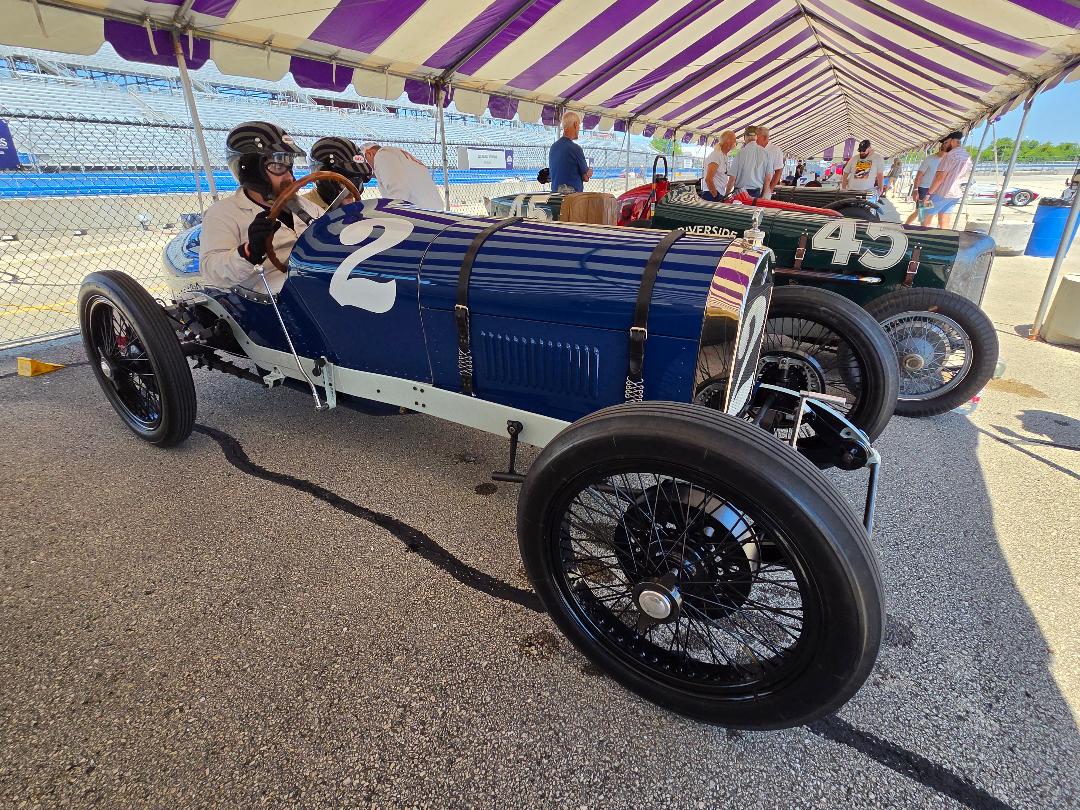
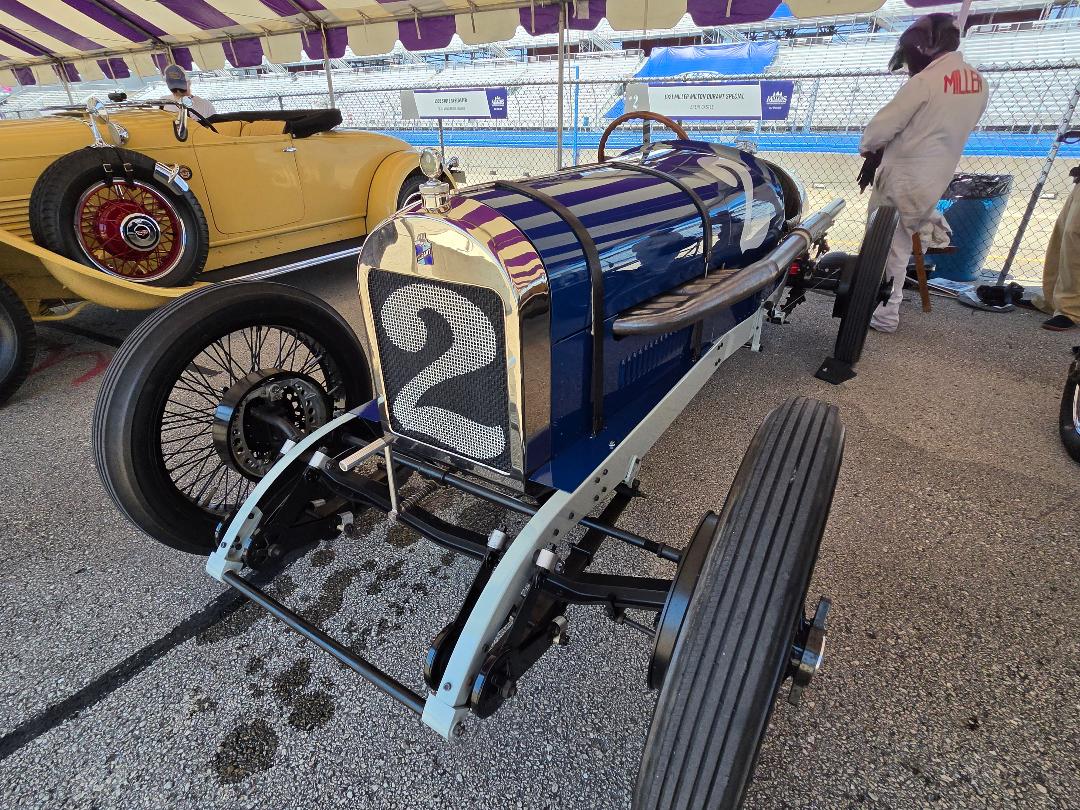
1921 Miller Milton Durant Special #2 (replica)
Owned by Brent Castle, Sykesville, Md.
This is a replica built by Bill Castle, according to Conceptcarz.com, as the original was destroyed in a 1922 accident on the board track in Kansas City. Board tracks were popular racing circuits in those early days as they were easily built, and for a fraction of a paved course such as the Indianapolis Motor Speedway. Think of these as being like the elevated velodromes for bike racing.
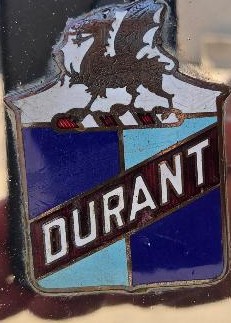
The original was built by Miller in association with racer Cliff Durant, who happened to be the son of General Motors founder William Durant. Cost was said to be $27,000 or about $463,000 in today’s dollars. Racing has always been expensive.
However, the original engine didn’t perform and eventually was replaced by a Miller 183-cu.in. straight-eight with four valves per cylinder and dual overhead camshafts. Carbs were Miller updraft models, something he specialized in and that helped fund his business as he sold them to many racers. The engine’s heads were also detachable, and unusual at the time.
By 1921 Tommy Milton was driving the Durant-Miller and used it for much of the season when he won the national driving championship. Milton had won the Indy 500 earlier that year, but in a straight-eight powered Frontenac built by Louis Chevrolet who had worked with Durant senior, selling him the Chevrolet brand and leaving the firm in 1913. In those early days, many industry and racing insiders were closely linked.
1923 Miller 122 Grand Prix Racer #1 (original)
Owned by A. Dano Davis/The Brumos Collection, Jacksonville, Fla.
In 2012 Winn-Dixie Supermarkets’ A. Dano Davis bought the only remaining, of three, Miller 122 racers designed specifically for European grand prix racing.
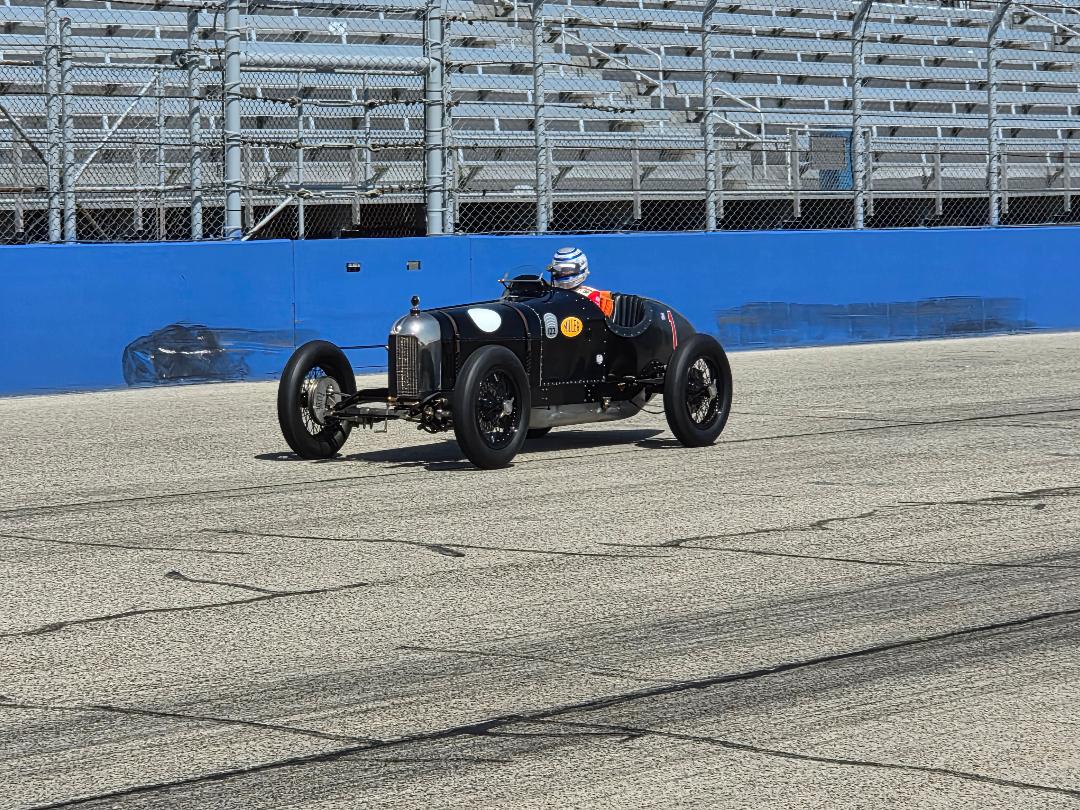
Europe required 2.0-liter engines at the time, so Miller revamped his Indianapolis dominating 183-cu.in. engine and placed it in a narrow (18 in.) body and lightweight (1,350 lbs. says Conceptcarz.com) chassis for road circuits. The rear-drive 100-in. wheelbase racer reportedly made 120 horsepower with a top speed of 140 mph.
England’s Count Louis Zborowski, a gentleman racer whose Polish father had died racing, had commissioned the car after racing at Indy for Team Bugatti, finishing 20th. He raced in three grand prix, finishing second in Spain, but dropping out of the others with mechanical issues. He also scored a win and second at Brooklands in England. Zborowski died in a 1924 racing accident.
1923 Miller 122 HCS Special #1 (original)
Owned by Dana Mecum, Walworth, Wis.
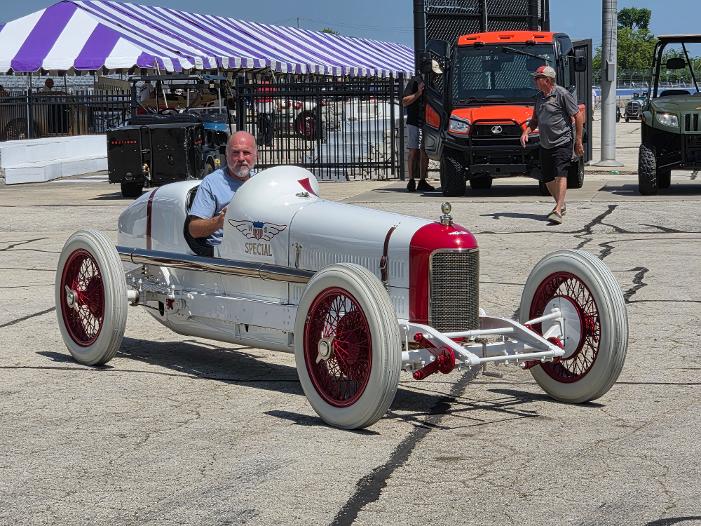
By 1922 Miller was making seven of his 122 models with the 2.0-liter engine now for the Indianapolis 500 in 1923, as regulations had changed. This is the first of those models and was driven to the Indy 500 win by Tommy Milton, the first two-time Indy winner. He had won in 1921 in a Frontenac. (See the 1921 Miller item above.)
The HCS Special name comes from the racer’s entrant, noted car maker Harry C. Stutz who commissioned the car. Milton set the fastest time at Indy, winning the pole position at 108.170 mph and winning the race by 3 laps over the second-place machine. The car was also raced at Indy in 1924, finishing 5th and again in 1925, but ending up 21st after fuel tank issues sidelined the car.
How popular were Millers at Indy in those years? Several sources note that 83% of the Indy fields from 1923 through 1928 were Miller racers.
1924 Miller 122 183 Convertible #5 (original)
Owned by Dana Mecum, Walworth, Wis.
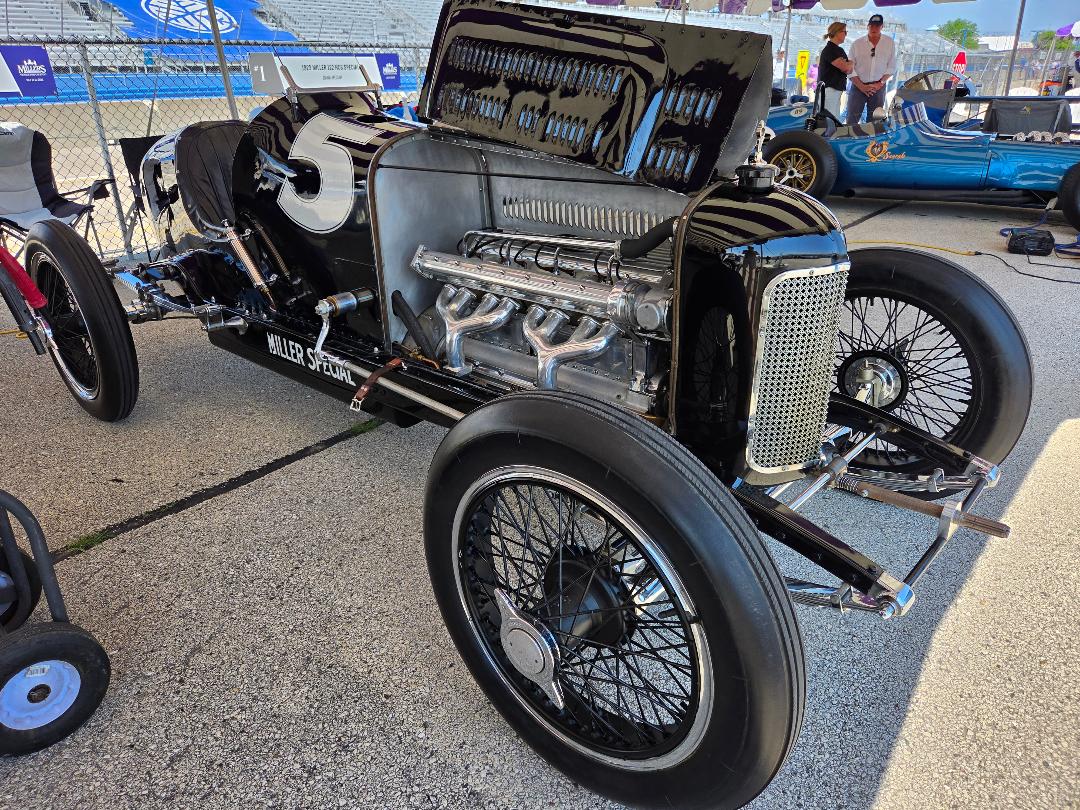
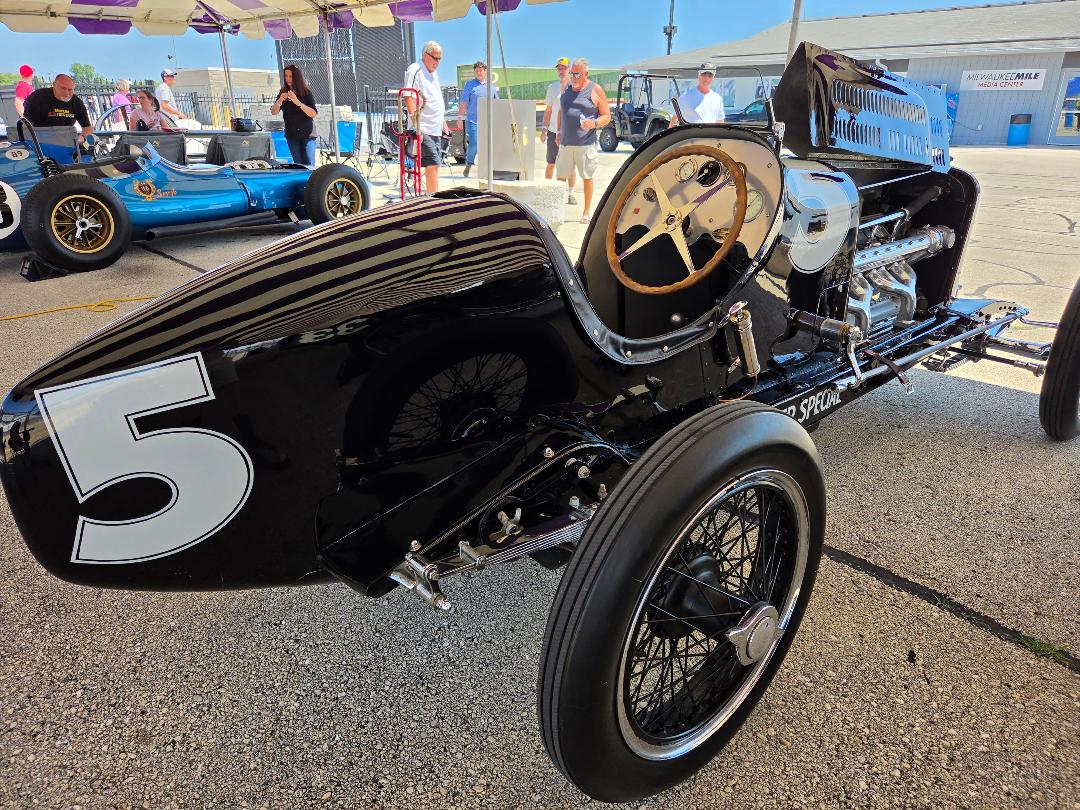
This Miller was designed as a land-speed record car for Tommy Milton after his two Indy 500 wins. It was made to carry either, a 122-cu.in. 2.0-liter engine, or a 183-cu.in. 3.0-liter, both straight-eights designed by the Miller organization at their shop in Los Angeles. Thus, the convertible moniker. Milton ran 151.25 mph at the Mojave Desert in 1924 with the 3.0-liter engine, and a bit over 141 with the 2-liter, both fast at the time, but not breaking Milton’s previous records.
Unique because this Miller was designed just for high-speed runs, not racing on board or dirt tracks, it has a right-drive cockpit with exhaust on the left. Most Millers were the reverse of that. It also had less braking power, with just a driveshaft mounted brake, was lighter weight, and featured a 3-speed gearbox.
At one point this Miller was bought and refurbished by David Uihlein of Milwaukee for his race car collection. I note David here as I wrote a story of his collection and interest in Millers years ago for the Milwaukee Sentinel as its automotive reporter. David was quite the gentleman and founded the Millers at the Mile event where this car again ran this year.
1926 Miller 91 FWD #25 (original)
Owned by A. Dano Davis/The Brumos Collection, Jacksonville, Fla.
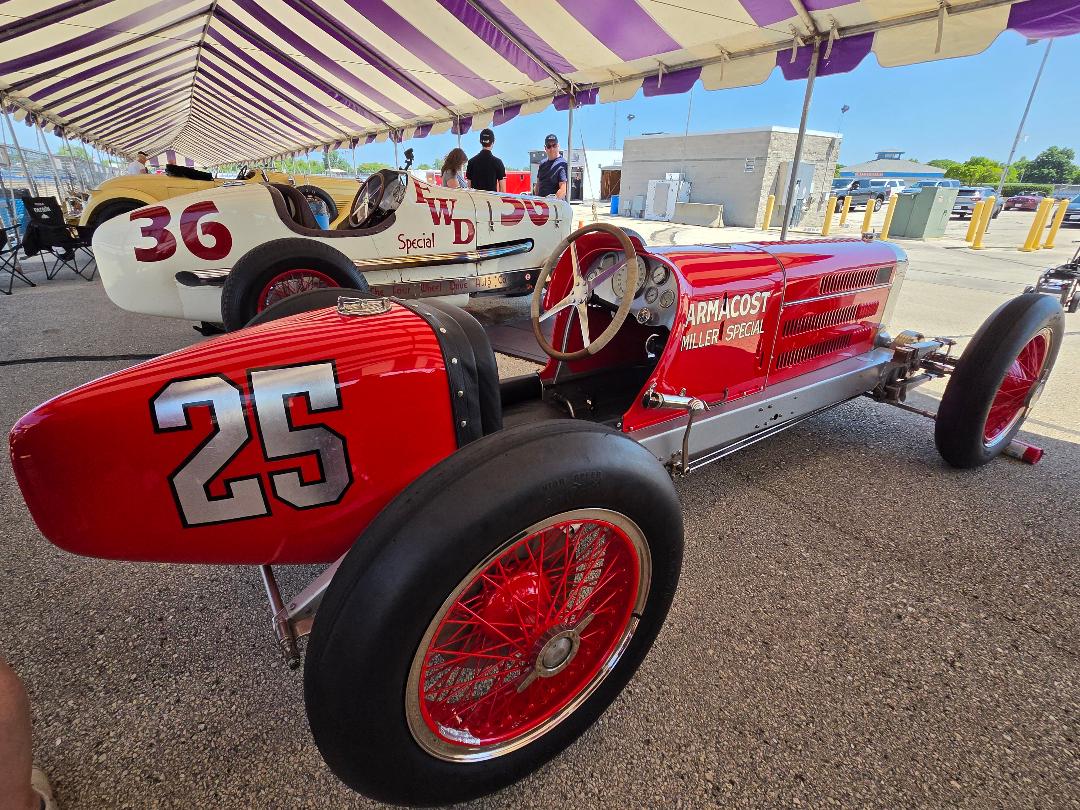
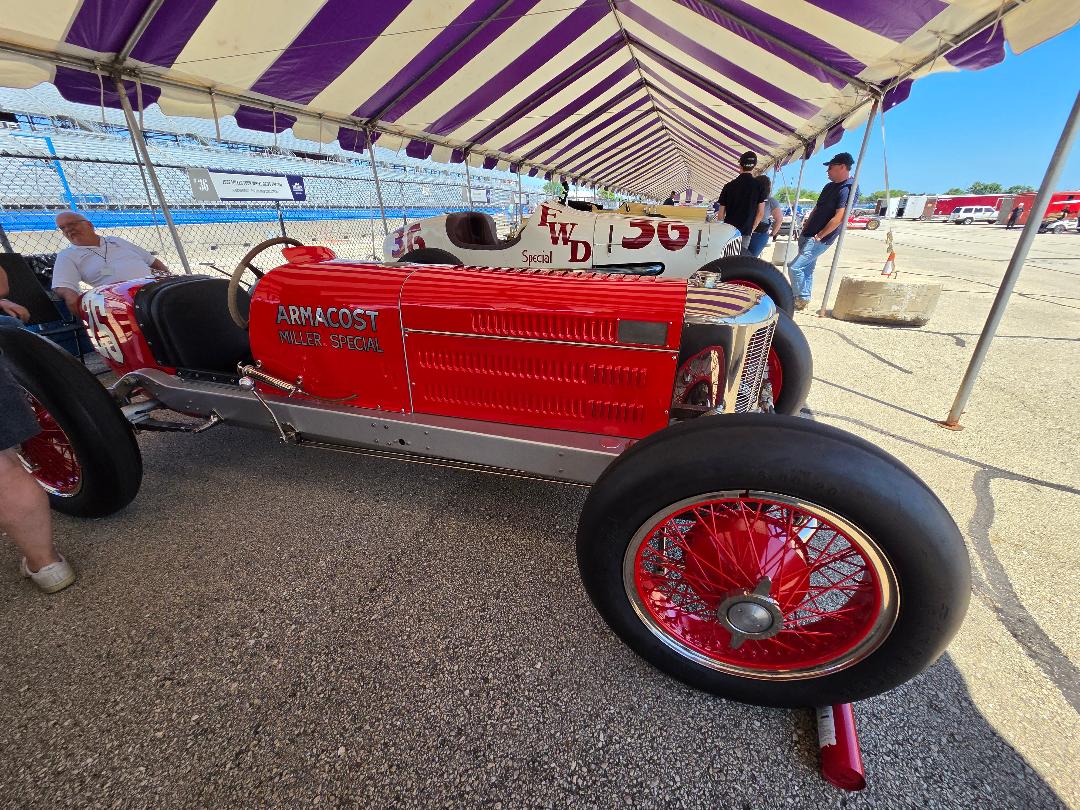
Rules changed constantly in the early days of racing so for 1926, after Miller and designer Leo Goossen had mastered the 2.0- and 3.0-liter straight-eights, regulations changed again. Now a 91-cu.in. 1.5-liter was required.
That’s when this 1926 model was created, but with front-wheel-drive, a gamechanger at Indy and in the championship car racing series. The front-drive design put more weight over the front wheels and allowed drivers to accelerate out of turns quicker. It also cut overall weight as the driveshaft to the rear wheels was eliminated. Additionally, the cars could sit lower, so were more aerodynamic, without that shaft.
With a centrifugal supercharger on the smaller engine it still delivered an amazing 250 hp and top speed jumped to 171 mph. Speeds and technology were exploding in the automotive and racing worlds in the 1920s.
There was a cost, naturally. The new Miller 91s were $15,000 new ($284.000 today), yet nearly a dozen were made for that first year of competition.
Despite Miller’s expertise and success, by 1929 the Depression began crushing the racing world’s wealthy backers, the car owners who had commissioned so many racers through the decade. In 1933 Miller’s firm declared bankruptcy and was purchased by Miller’s chief machinist, Fred Offenhauser. But that’s another story.
Coming up: More vintage racers and early antique cars spotted at the Milwaukee Mile.


Leave a Reply