“A” for effort, but “D” when it came to dependability
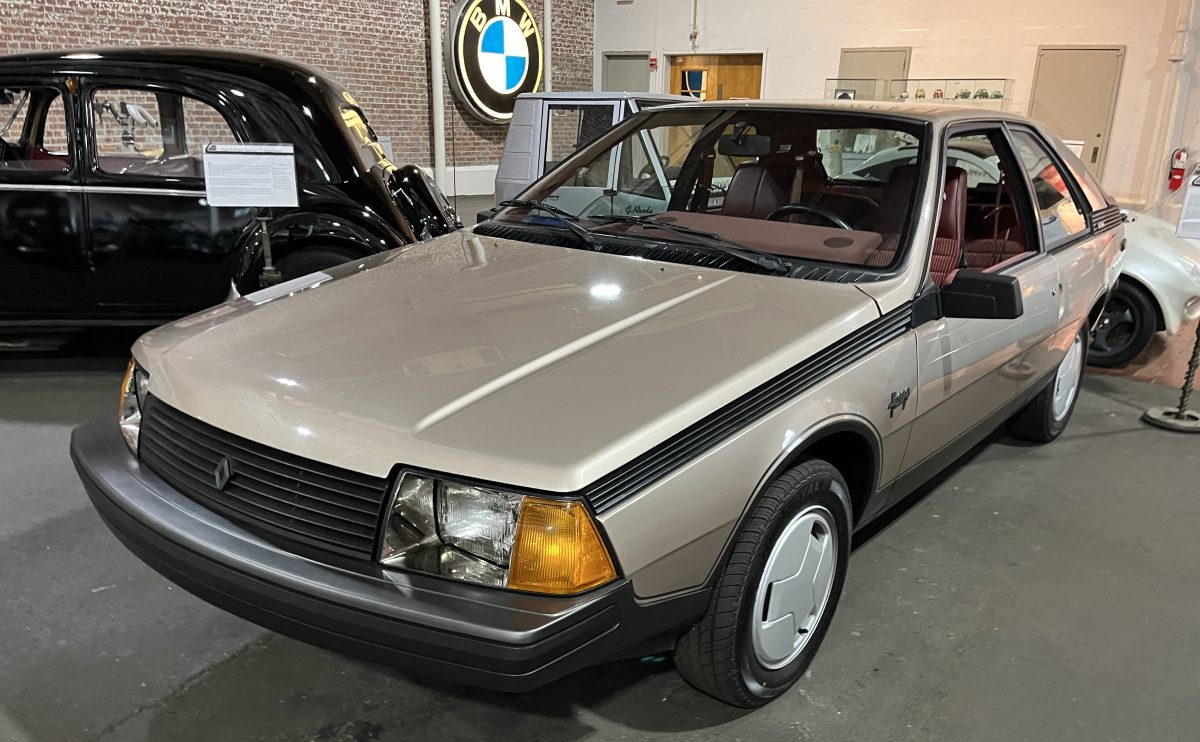
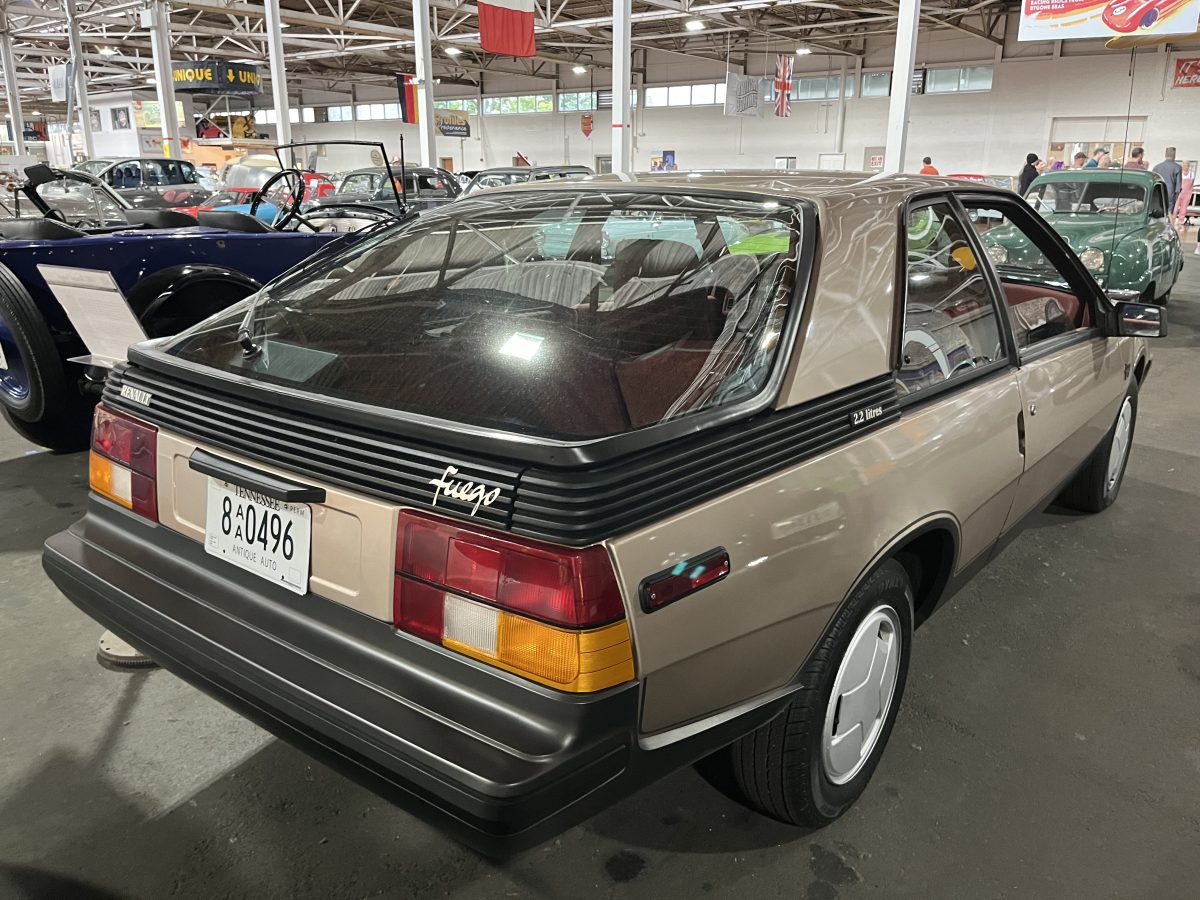
I remember my dad talking about the growing partnership that American Motors Corp. had with Renault in the late ’70s and early ’80s while he was working at the National Parts Distribution Center in Milwaukee. After periods of intermittent independent success, Renault acquired a significant interest in AMC in 1979. The company was strapped for cash thanks to the Pacer and Matador coupe not making sales projections, so Renault would provide cars. One of them was this week’s spot, the Renault Fuego.
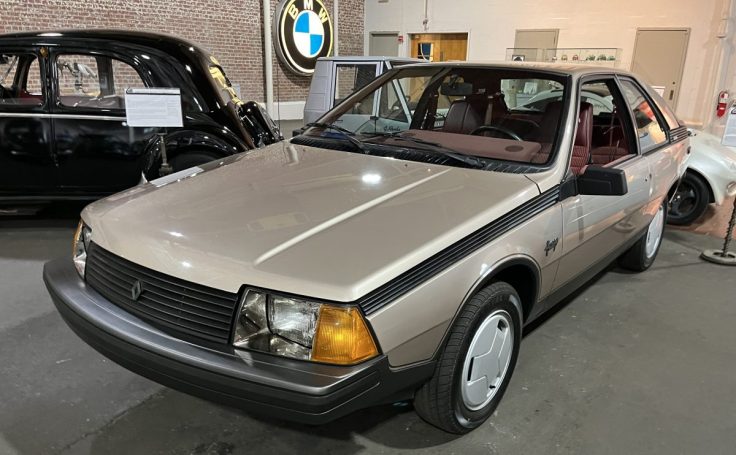
On paper, this car had a lot to offer and could have filled the void when the AMC Hornet was discontinued in 1977. Introduced in 1980, it was considered a car of firsts, such as a keyless entry fob, remote stereo controls on the steering wheel, and it was the first mass-produced four-seat sport hatchback fully designed in a wind tunnel. Today, we take for granted these standard features on our vehicles, but in the 1980s, these were up-charged options on Fuego. In 1982, the turbo-diesel version of the Fuego became the fastest production diesel car on the market, as well.
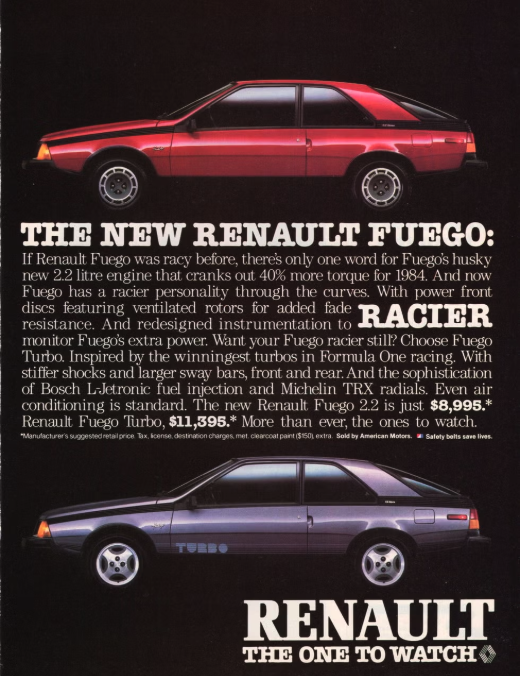
Based on the Renault 18, the Fuego was heralded around the world as a well-styled vehicle, including by well-known automotive journalist of the time, L. J. K. Setright who said the Fuego was “blessed with a body which is not only roomy and aerodynamically efficient, but is also beautiful.” Road and Track wrote that it was “A bargain, complete with brakes that are the combination of champagne and cognac.”
It also featured a signature convex rear window that looked similar to that of the Porsche 924, leading some to call it the poor man’s 924. Fuego was available in various trims including TS, TX, GTS, and powerful Turbo versions, including the Turbo Diesel. MSRP varied by year and trim, starting just under $8,500 for the base model in 1982, with the popular 1984 Renault Fuego Turbo listed at just over $11,600.
RELATED Spot: This car would have sold well, the GTA.
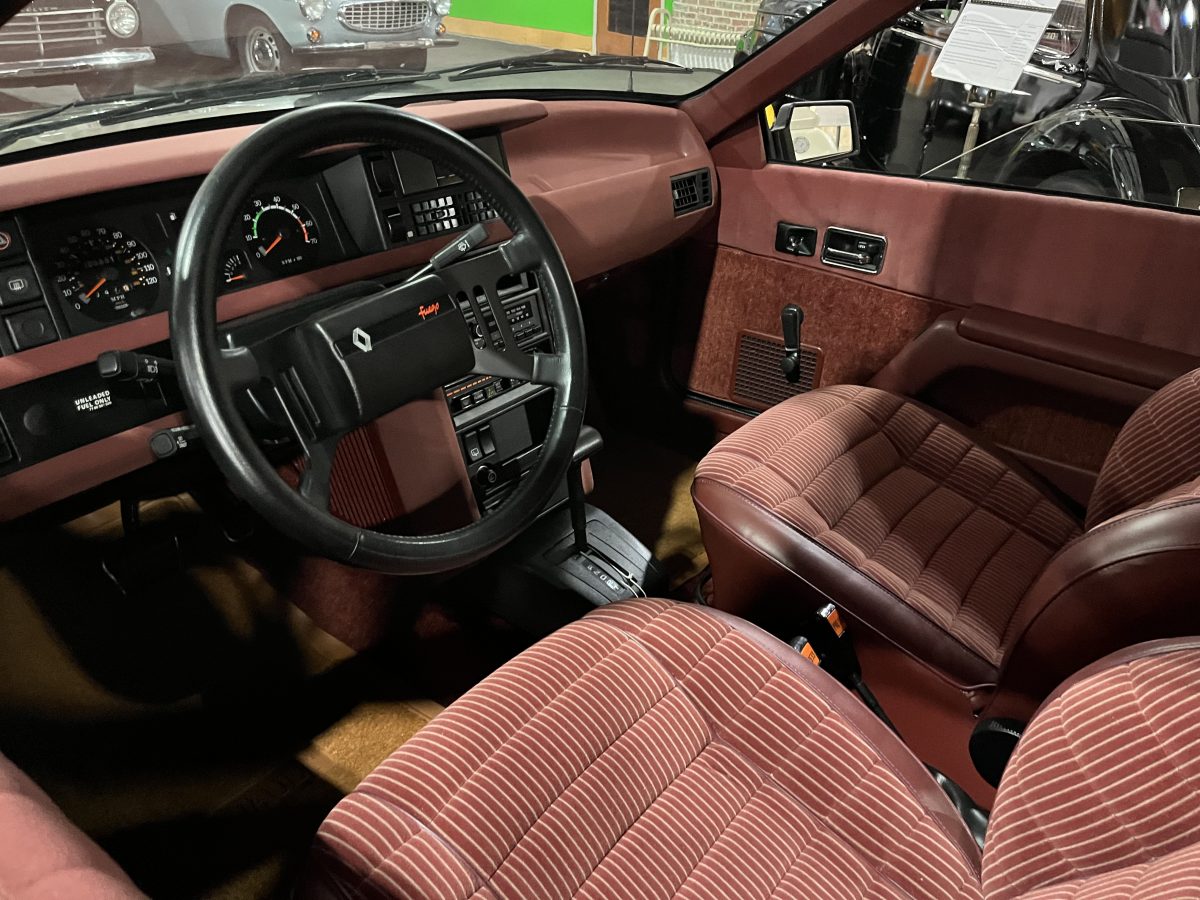
Ah, but then there was that French dependability that left my dad scrambling to get replacement parts from France. Let’s see, where should I start?
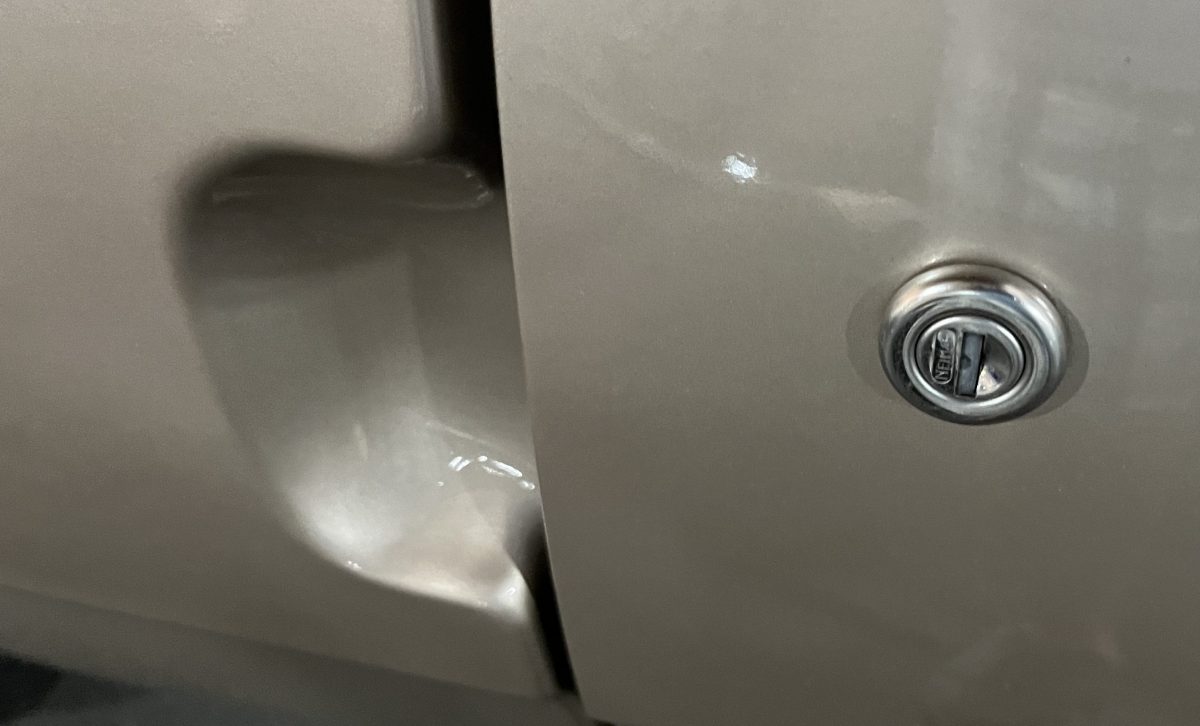
Typical of French cars of the period, it had unreliable electronics like its power locks, lights, and relays, overheating leading to head gasket issues, and general build quality problems like rattling panels, rusty exhausts, and specific parts failures like the alternator bolt puncturing the radiator!
Oh, and then there was the issue of it just catching fire. Ironically, Fuego is Spanish for “fire.”
The car looked great standing still, but faced performance issues such as slow acceleration, poor handling, and then the difficulty of finding spare parts, as I mentioned from my dad’s experience. That got even worse after Renault sold its stake to Chrysler in 1987 and withdrew from the US market, often leading to Renaults here becoming disposable cars. AMC sold 41,000 units in the US, but Fuego never became a runaway success even on the world stage, where it struggled against competitors such as the Ford Capri and Opel Manta. Production ceased in Spain by 1986 but continued in Argentina until 1992. Ultimately around 265,000 were produced worldwide.
What are they worth today? I’m not even going to go there. The car popped up a while back on one of my Facebook groups and hardly anybody knew what it was. So good luck in finding one, and you’ll need even more luck to find any parts. It’s sad in a way that the Fuego becomes nothing more than a footnote. I think if Renault had stuck it out, the partnership could have worked, but that’s just me, an AMC geek that misses the cars they made.
Thanks for stopping by and checking out my spot this week. Check back next Sunday for another one of my spots, and I hope you had a great holiday season.
Sold in the US/Canada via AMC (1982-1986) Renault pulled out selling AMC to Chrysler in 87
- Design: Futuristic, aerodynamic ,
- Platform: .
- Models:
last AMC passenger cars in 83, and then the alliance


Leave a comment