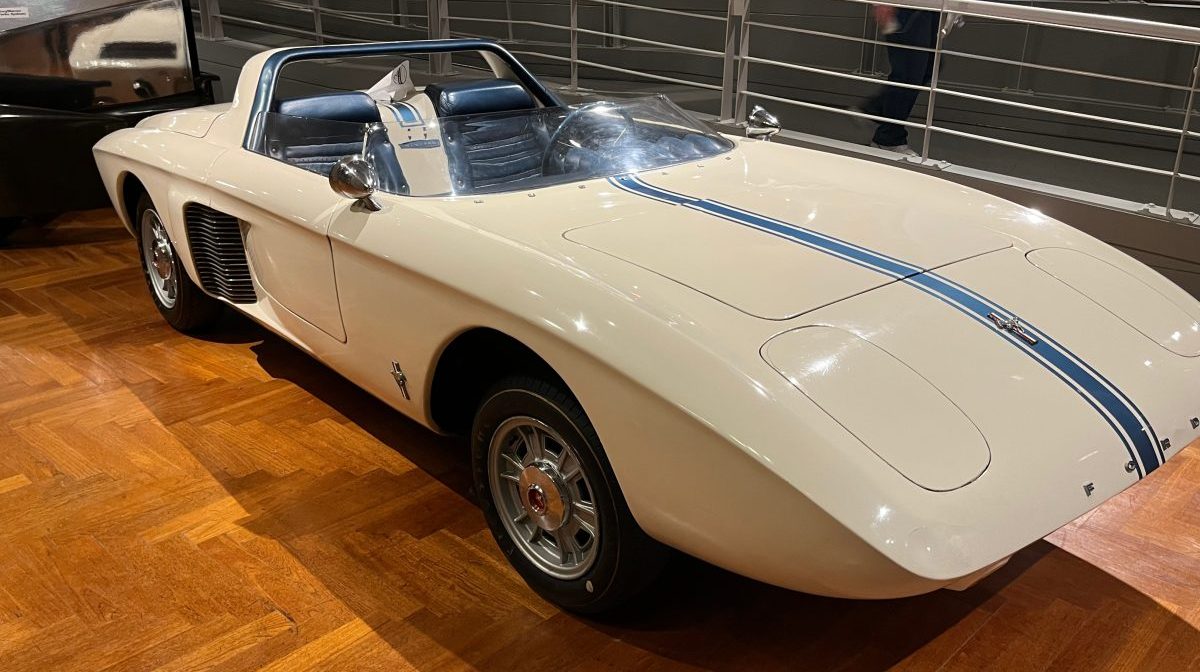
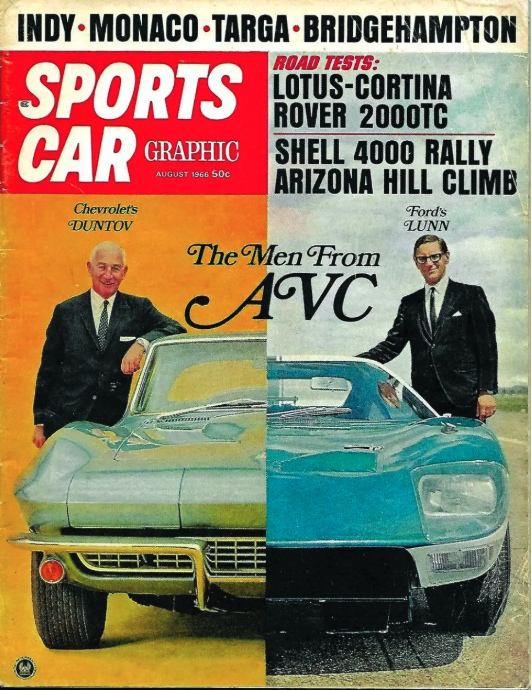
If you’re really into cars, give me some names of automotive engineering icons. The designers who left a lasting impact on the automotive landscape. The go-tos would be Carol Shelby, Colin Chapman, Ralph Gilles, along with a couple of others. This blog entry is about one man who should be added to that list, Roy Lunn, who created the vehicle in this week’s spot, which I found at a recent visit to The Henry Ford Museum.
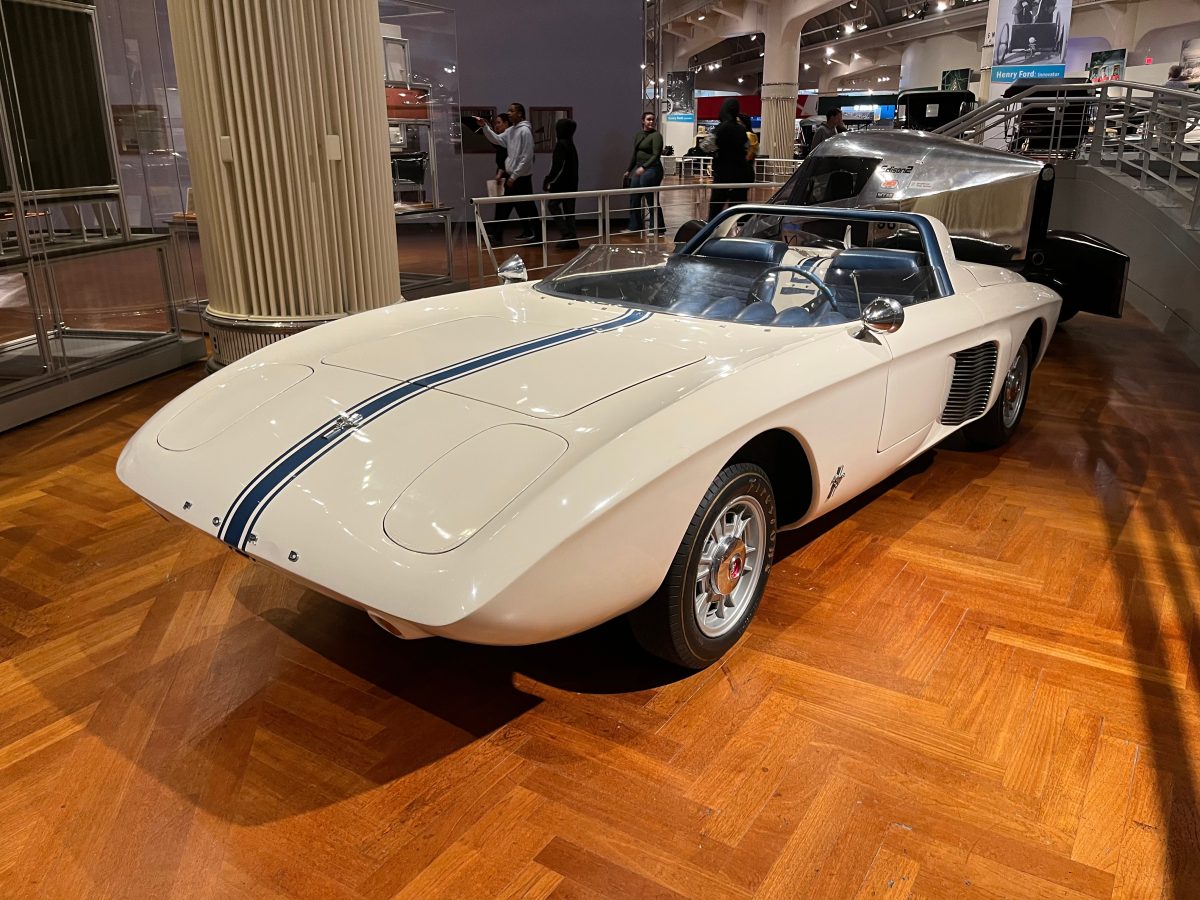
Let’s turn the clock back to 1961, when it was conceived and designed by a small task group within Ford that included Roy Lunn, John Najjar, and Phil Clark. The Mustang I was actually constructed by the Culver City, California, race car shop of Troutman and Barnes. Code-named Allegro, the high-speed, low-drag program produced a running prototype in an unheard-of time of only 100 days. The body was hand-formed aluminum, and the 1.5-liter Ford Cardinal V4 drivetrain is installed amidships behind the driver. The compact powertrain originated with a European-style small car program that was killed in the USA.
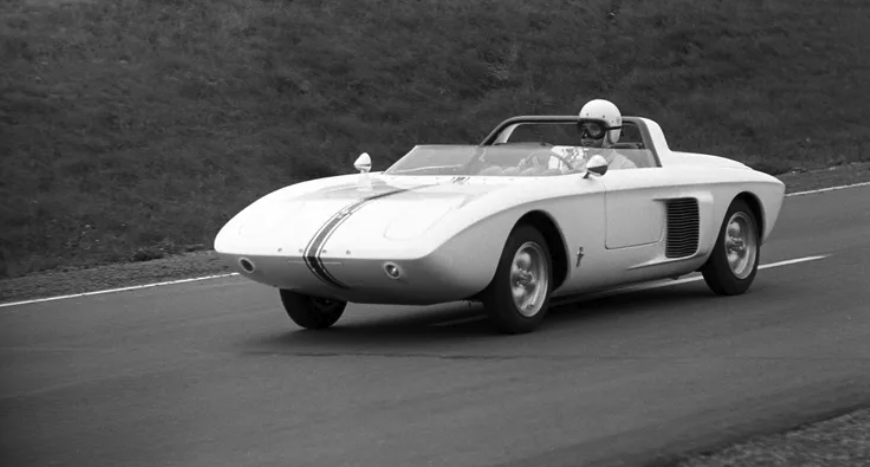
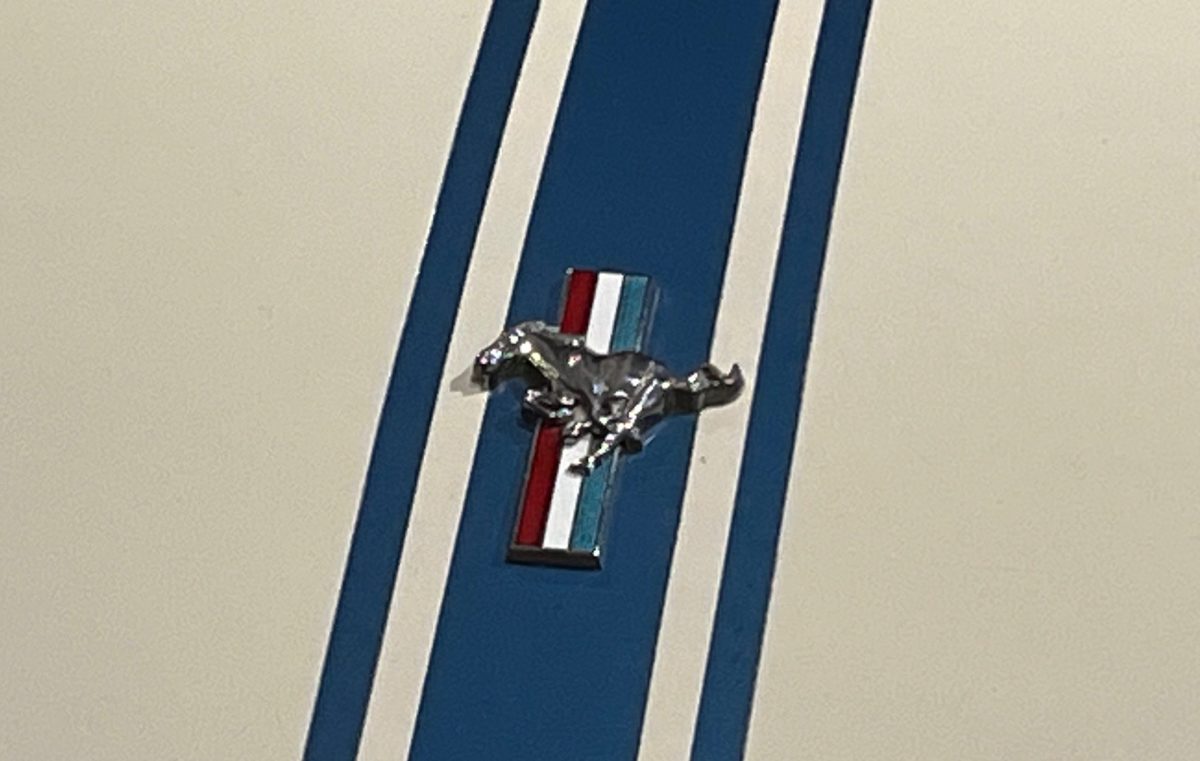
This concept car was never designed for production, but to accomplish a marketing goal to make people think of Ford as an exciting, forward-looking company. Like the latest European sports cars on the racing circuit, its designers crafted a sleek two-seater body with the engine behind the driver, and they also made sure the car was as fast as it looked. It was a huge hit with the public. If there were any doubters, they hired racing legend Dan Gurney to drive the Mustang I in its first public demonstration at the 1962 United States Grand Prix in Watkins Glen. New York. It was a public relations hit and got the public excited. Very little made it to the eventual production Mustang introduced at the New York World’s Fair, which I attended as a 10-year-old. Very few design features made it into the production Mustang; the most identifiable element was the signature chrome horse designed by Phil Clark. Friend Darrel Burnett told me recently that early on, the logo had some tweaks until what we currently see today.
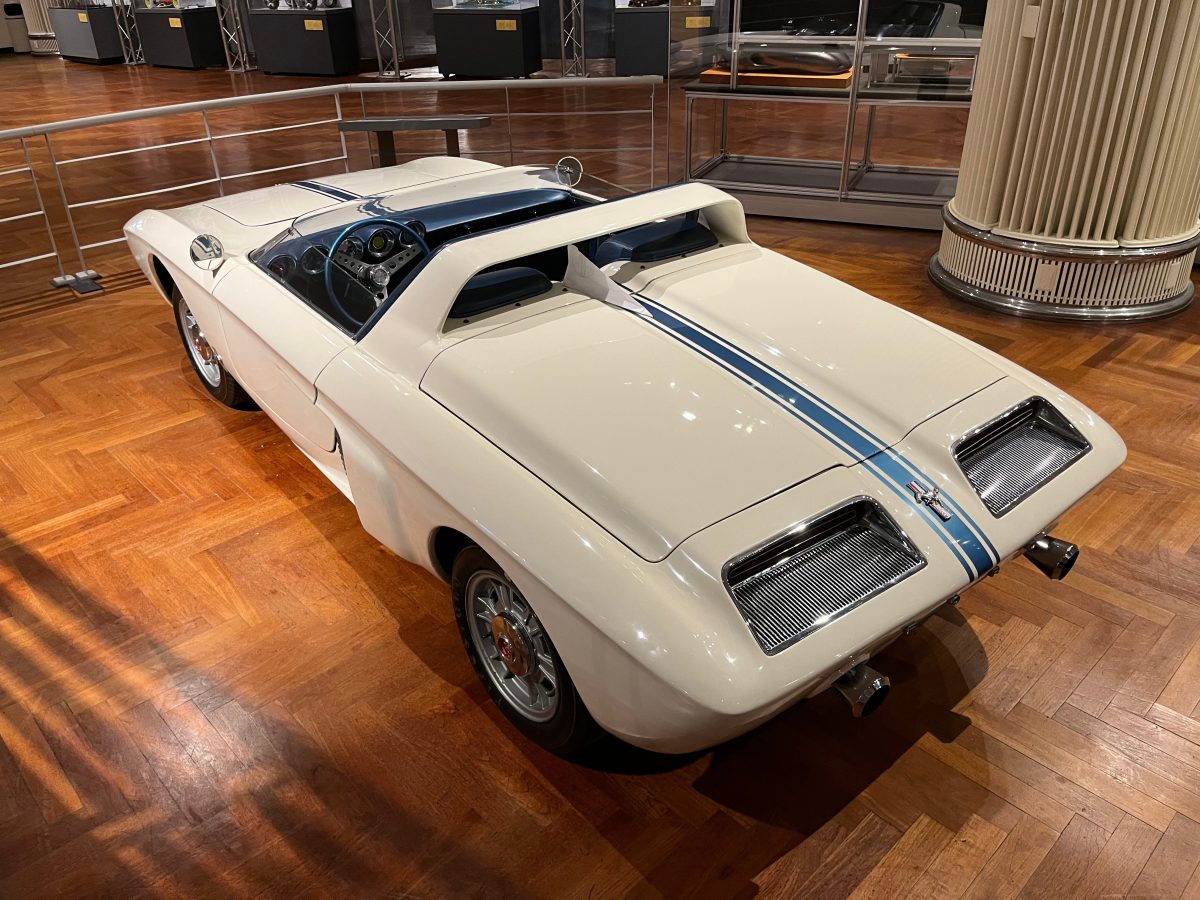
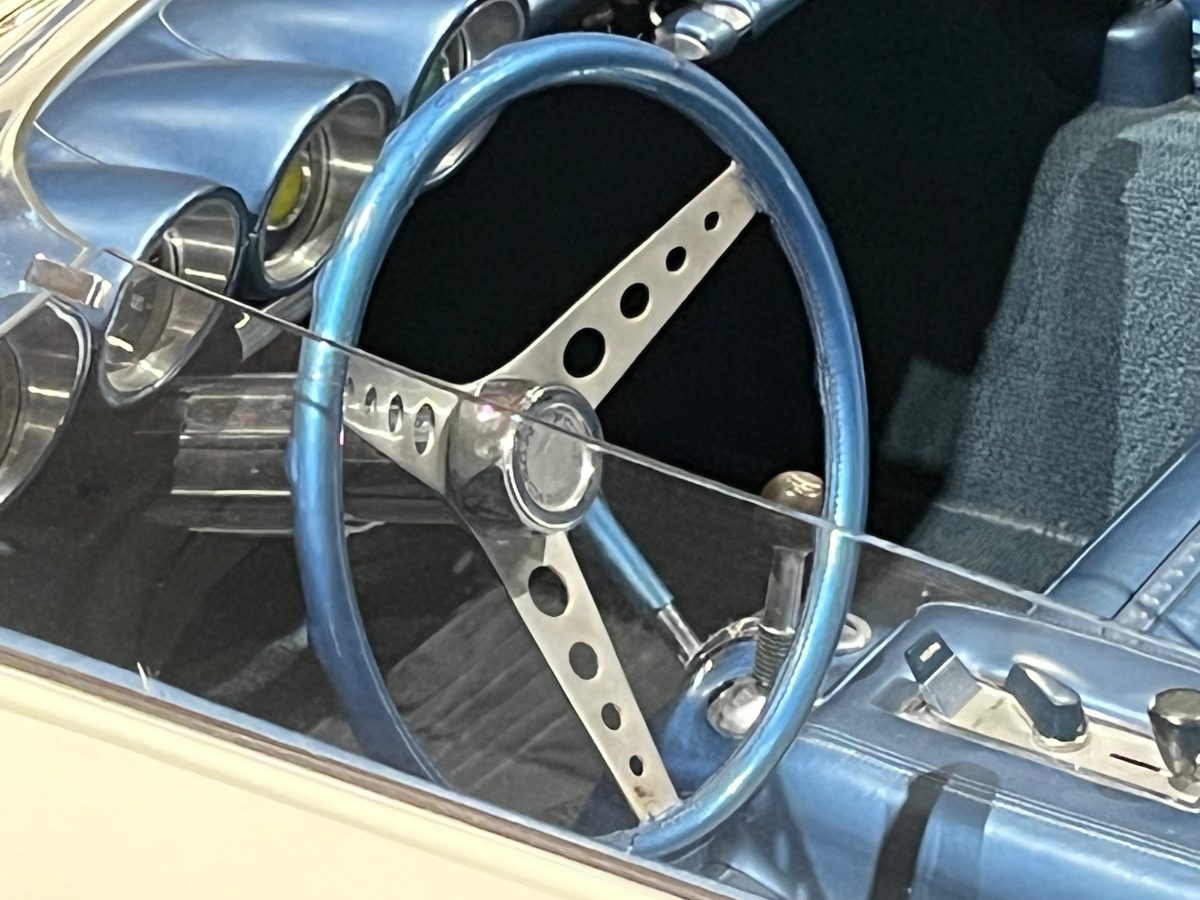
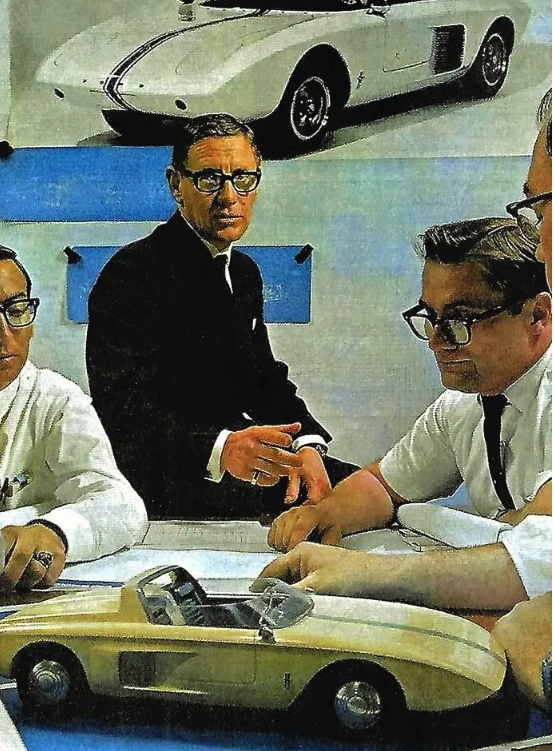
The Mustang I launched both the Mustang production car and Ford’s Total Performance program that dominated auto racing in the ’60s, winning at LeMans and altering the company’s self-image forever. But that wasn’t the end of this story for Lunn. In 1971 he went to work for American Motors as the Director of Engineering for Jeep and quickly advanced at AMC to the position of Vice President of Engineering, where he was instrumental in developing the AMC Eagle, the first crossover, 17 years before Subaru.
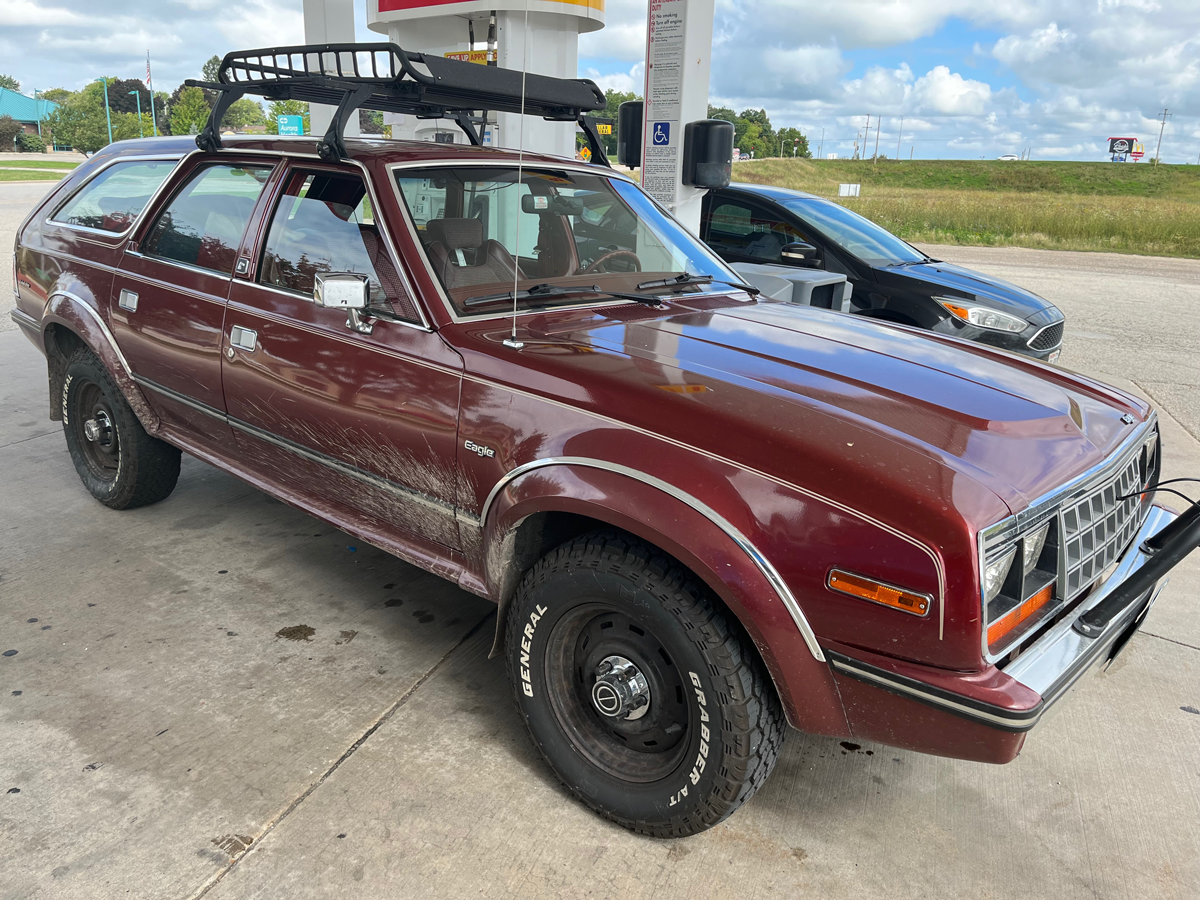
The compact XJ Jeep Cherokee, which was the first of the modern range of SUV vehicles, as well as the development of the AMC Straight-4 engine and the Jeep 4.0-liter engine, which were based on the “modern era” AMC Straight-6 engine. Lunn retired at the same time as my dad in 1987 when Chrysler bought AMC, and has finally been recognized as another industry engineering legend, now in the company of some of the most recognizable names inducted into the Automotive Hall of Fame in Detroit.
RELATED Spot: The Ford GT 40 that Lunn helped create, I found in Dallas.
Thanks for stopping by and reading about my latest spot. I have two more to share with you from The Henry Ford. Check back again next Sunday for another one of my spots, along with some of its history, and have a great week.


Leave a Reply