
From a golden era of automotive design
Growing up in the same era, blogging partner Mark and I rarely get excited when we see cars nowadays because they almost always look the same, and owning one doesn’t get the look when you drive by. Oh, sure, there are exceptions, but where have all the good designers gone? Take for example, this week’s spot, a 1933 Cadillac V-12, that came from the mind of Harley Earl.
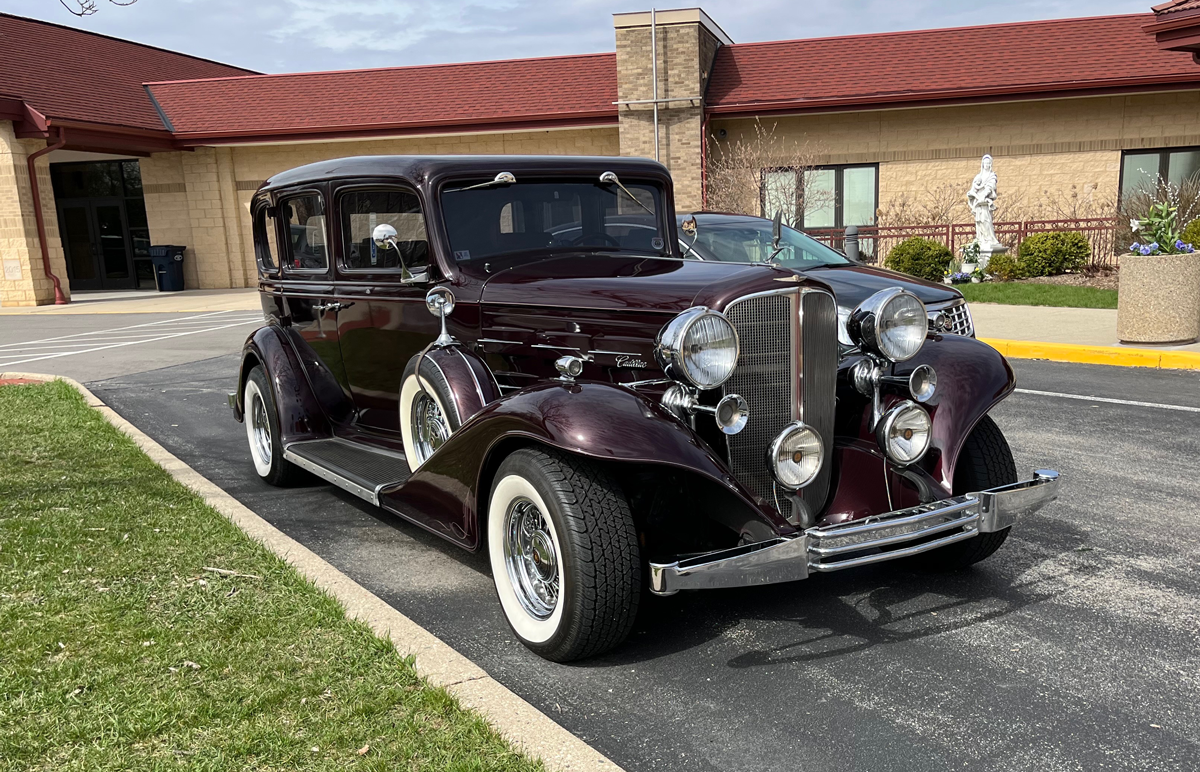
It was a status symbol if you drove a Cadillac in the 30’s. They had just introduced the V12 power plant in 1931, allowing buyers some extra power and performance without the added cost of the larger V16 engine. Powered by a 368 cubic inch V12 engine, producing 135 horsepower for the 370A was tremendous as buyers found both the 40 extra horsepower and the luxury status of the V12 engine to be well worth the extra money! Cadillac sold 5,733 V12 units in 1931, setting the stage for progressive design changes in 1932, now referred to as the 370B. The classic, carriage-like bodies by coachbuilders would transition between 1932-1933 into a more streamlined automobile with flared fenders and curved running boards.
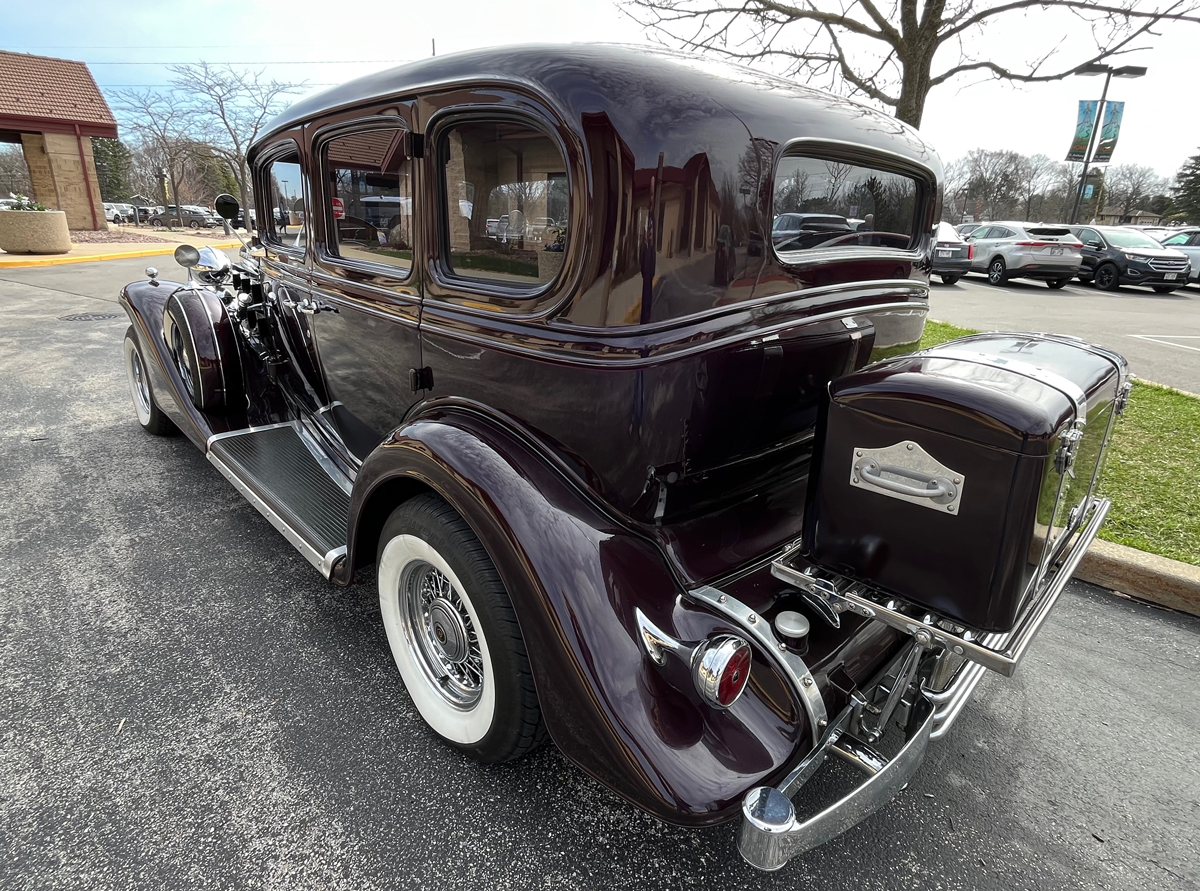
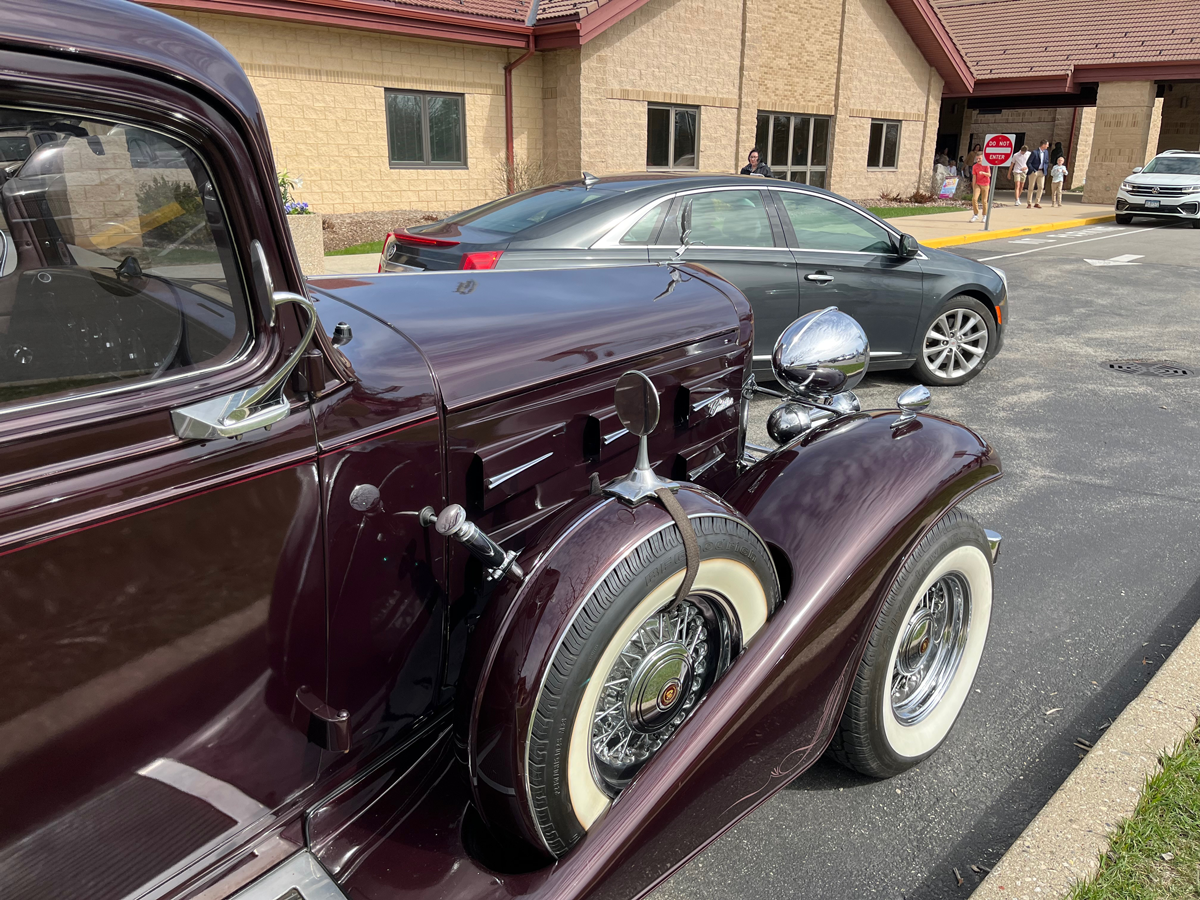
A facelift, simple in execution but startling in effect, by GM’s head of design Harley Earl, transformed the 1933 Cadillac into a more modern-looking car. Styling changes for the 1933 Model 370C would include a V-shaped grill with a painted radiator shell giving the appearance of a longer hood, particularly because the radiator cap was now hidden underneath. Skirted fenders were adopted for a more modern appearance, with a slightly swept-back windshield, along with individually controlled door vent windows. Today, coach-built vehicles of this era embody a classic style that car collectors worldwide cherish as one of the most beautiful in automotive history! In 1933, only 953 Cadillac V12 examples would be built, with only four body styles to choose from, making the particular classic V12 370C model seen here one of the rarest models in the marque’s production during the 1930s.

cars.
OK, big question now, how much? I checked with Classic.com and found not a lot of action going on as far as sales. No surprise because of the low production numbers. The lowest reported sale was $43,575, and for that, I’m guessing it was in rough shape. The top sale, and I’m pretty sure this car would be at least in that league, went for $156,800. Next time you’re out driving around, notice the other cars and imagine 92 years in the future. Adjusted for inflation, how many would be worth this much? This is rolling art.
Thanks for stopping by and checking out the oldest spot I’ve done to date. Check back next Sunday for another one of my finds, along with some of its history. Have a great week.
 Savage On Wheels
Leave a comment