
It’s what we could have if the Air Force designed cars
In case you hadn’t noticed, I love all things fast and loud, and when my flying buddies put together a trip to the National Museum of the US Air Force in Dayton, OH, I was all in. There we saw a B-58 Hustler, known for its speed, being the first operational bomber capable of reaching Mach 2, and the futuristic XB-70A, originally conceived in the 1950s as a high-altitude, nuclear strike bomber that could fly at Mach 3. There were lots of others, and this week’s spot, the Vapor Special Operations Supercar.

If you look closely at the hood, you will discover that this project started as a 2009 Dodge Challenger. According to the museum, the Vapor Special Operations Supercar is a showcase of US Air Force ingenuity, state-of-the-art technology, and innovation. The Vapor was one of two custom-built automobiles commissioned by the Air Force Recruiting Service in 2009 for its Project Supercar recruiting campaign. This fully customized Dodge Challenger was built by Galpin Auto Sports of Van Nuys, CA, known for cranking out some pretty wild vehicles. It is outfitted with special gull-wing doors and a “stealth” exhaust system that, when activated, allows the Vapor to run almost silently. Underneath that Shaker hood is a roudy 5.7-liter Hemi.
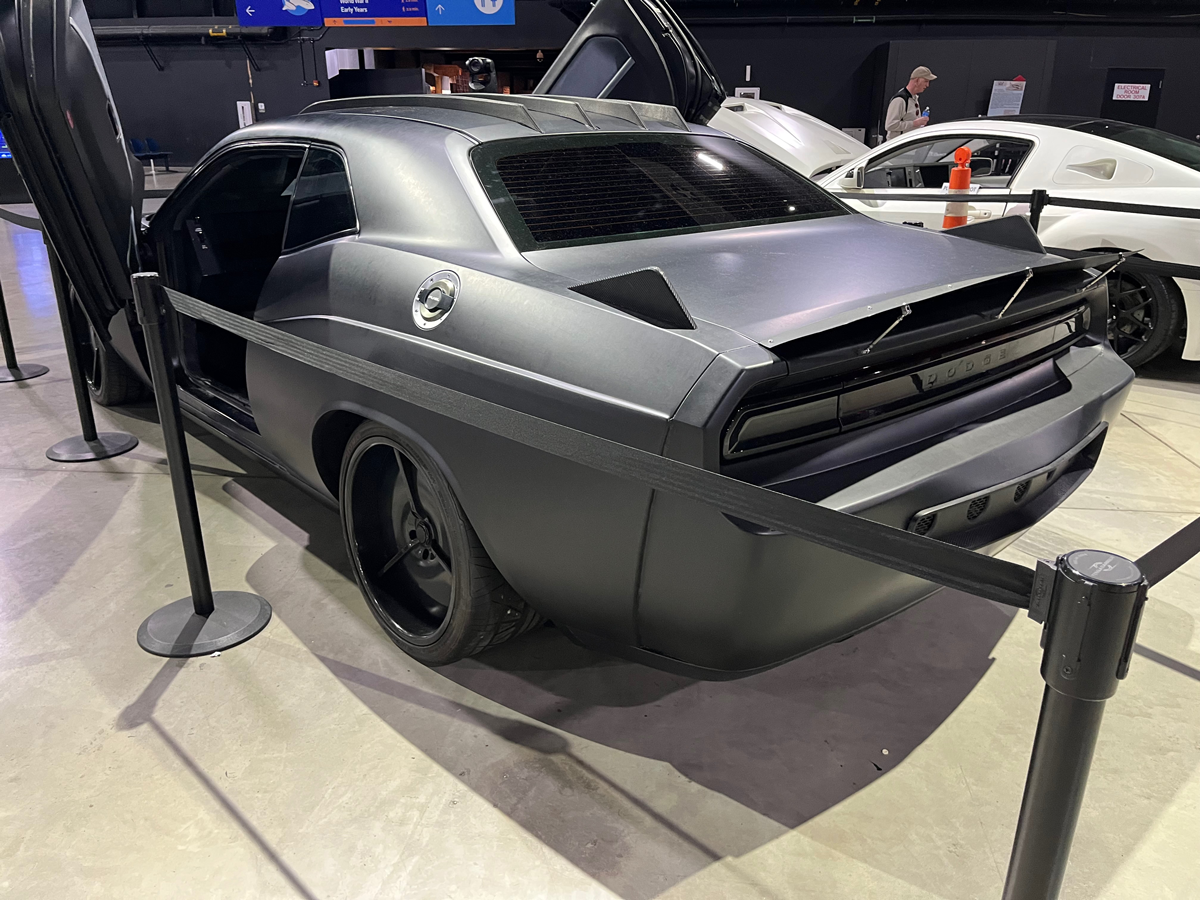
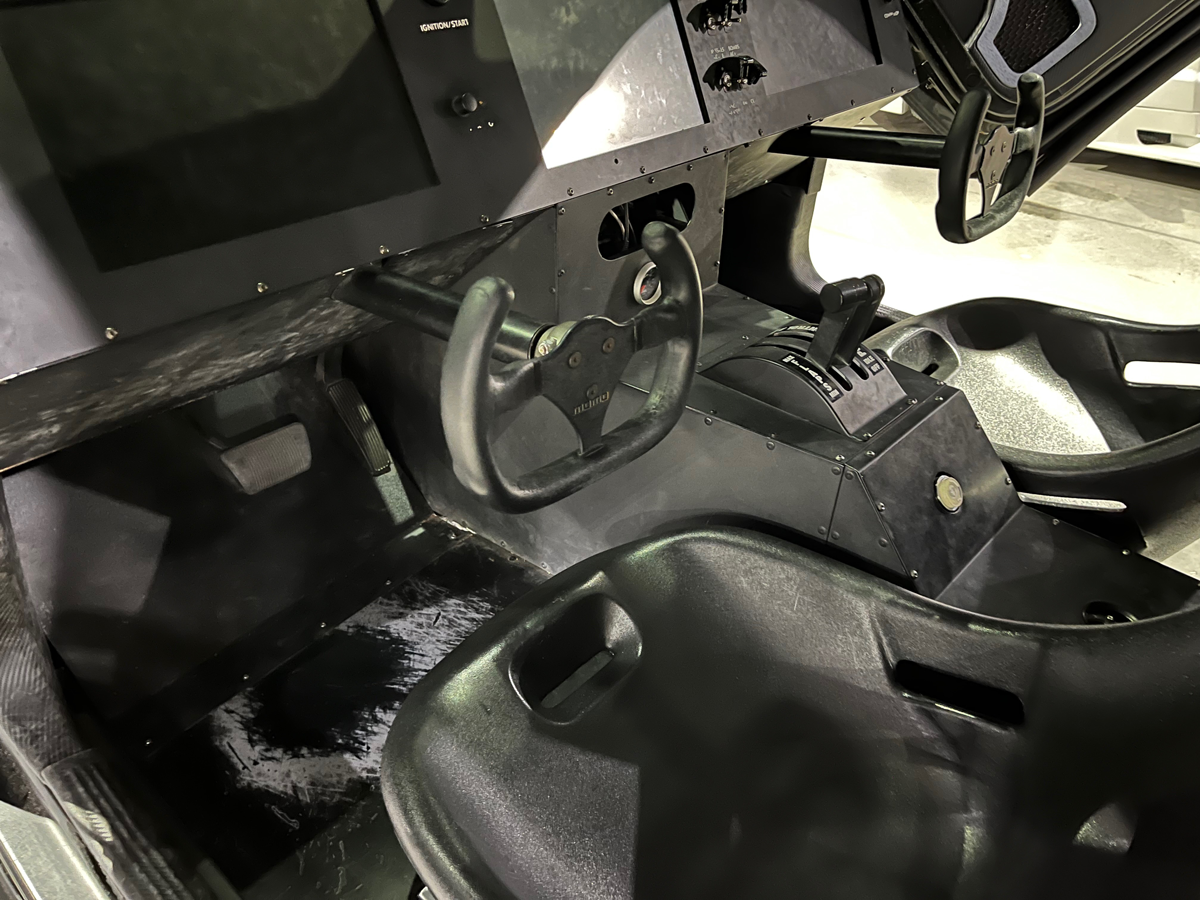
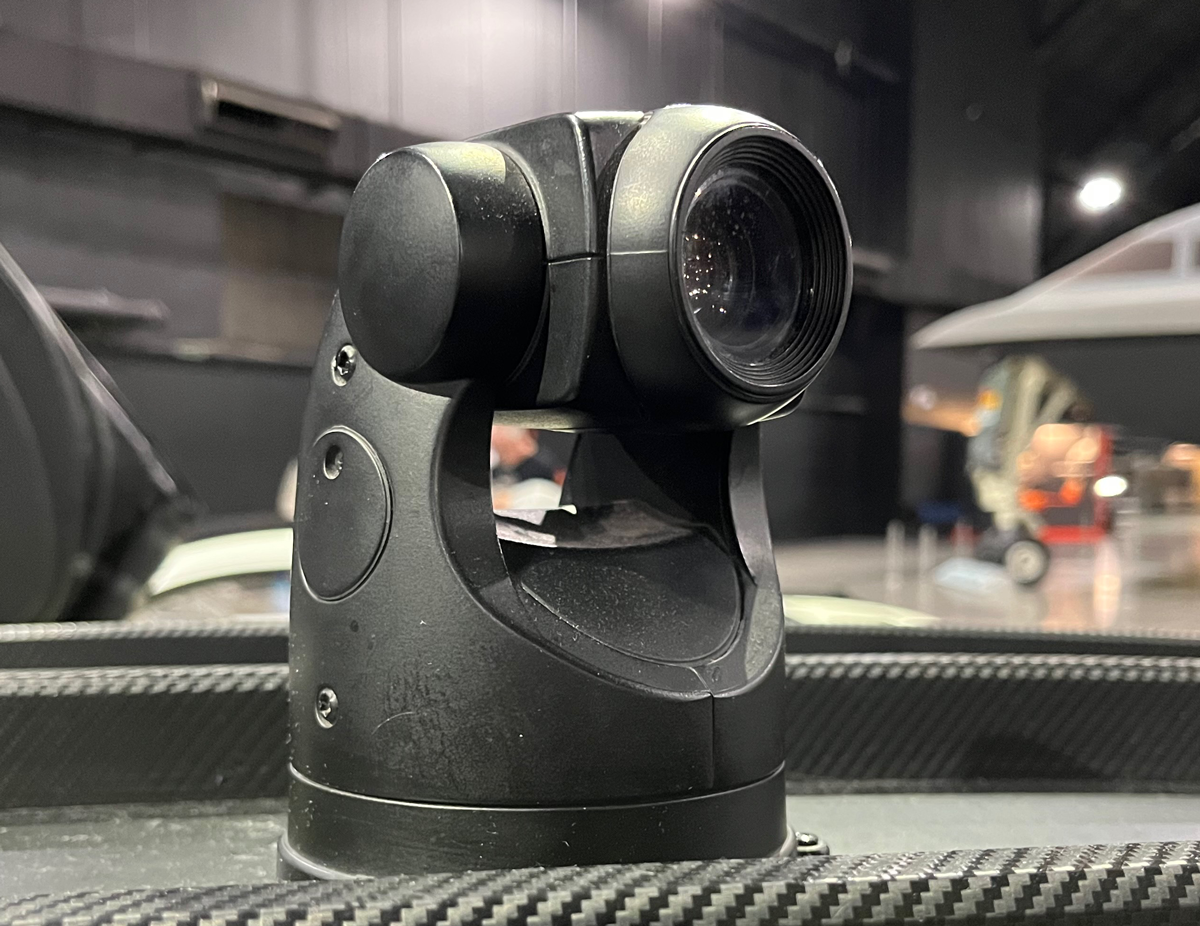
The Vapor features cutting-edge technology used by the Air Force, including a Forward Looking Infrared (FLIR) system for night operation and a high-resolution 360-degree surveillance camera with 1/4 mile range. The Vapor’s blacked-out “command center” interior is equipped with aircraft-style controls, a passenger side steering wheel, and a windshield head-up display with both night and thermal vision capability. The Vapor’s advanced computer system allows remote operation from anywhere in the world with an internet connection. What’s not to like?
The Vapor Supercar had just one tour of duty, touring the United States for more than seven years with the Air Force Recruiting Service, educating the public on opportunities for officers and enlisted Airmen. It was delivered to the Museum on August 20. What’s it worth? That’s a good guess since some of Galpin’s work is well into six figures. It doesn’t make any difference since it’s not for sale. Actually, as taxpayers, we own it. We just can’t drive it.

Thanks for stopping by and reading about this week’s spot. I have lots of others on our site, so as you’re sipping your morning cup of joe, go check them out. Next Sunday, I’ll have another one of my finds along with some of its history. Have a great week.
 Savage On Wheels
Leave a comment