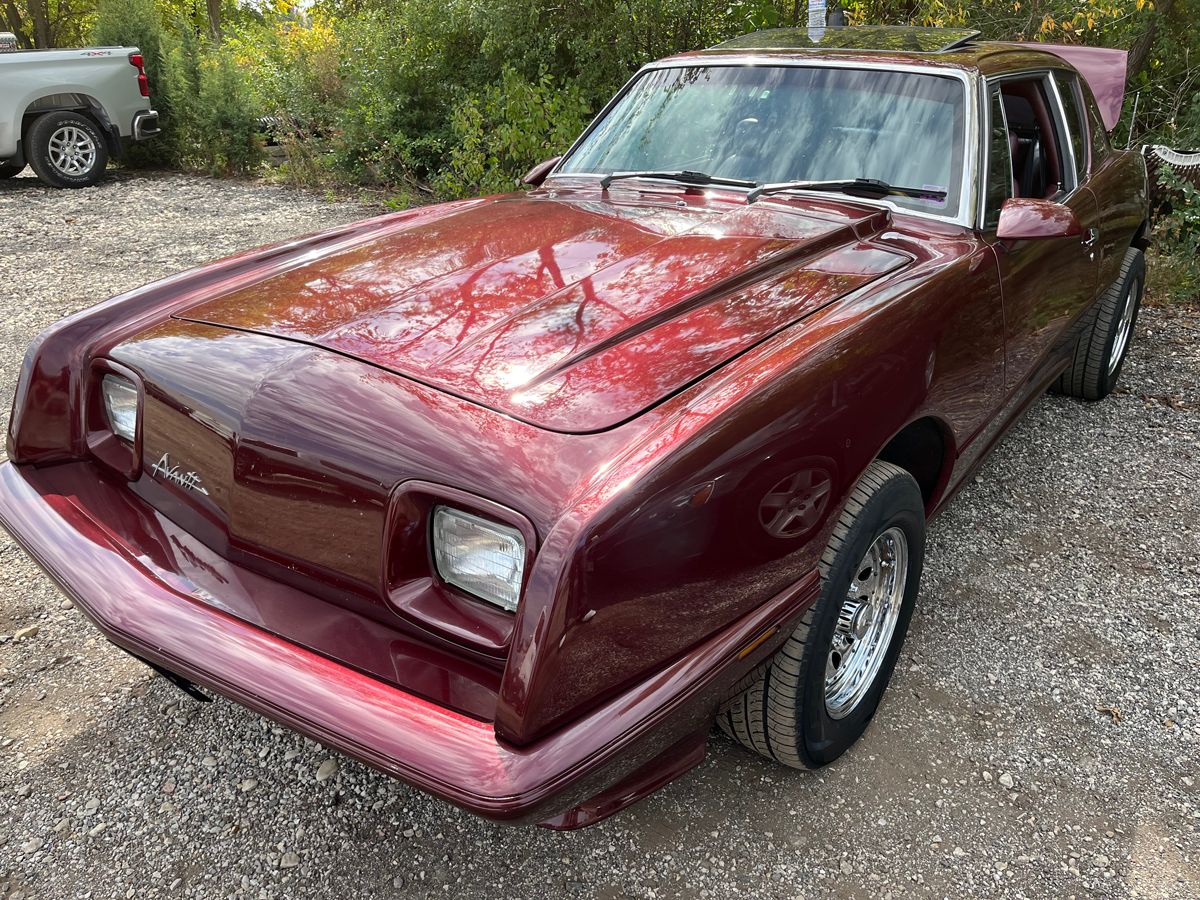
Its design started on the back of an envelope during an airplane flight
I love this story because it’s about an American automotive manufacturer that swung for the fence to save the company, much like AMC which I’ve written about many times on car spots here.
Founded in 1852 as the Studebaker Brothers Manufacturing Company, the firm was originally a coachbuilder, manufacturing wagons, buggies, carriages, and harnesses. They were constant innovators calling themselves “The World on Wheels”. Studebaker made its first electric automobile in 1902, followed by their first gas-powered model two years later. By the 1920s, Studebaker was an automotive force. Fast forward to 1954 and facing competition from GM, Ford, Chrysler, and even tiny American Motors, they merged with Packard.
On paper, this looked like a great deal, Packard, known for its luxury cars, and Studebaker, known for economy cars. What could go wrong? It was supposed to make the company part of the Big 4 but what Packard executives later discovered was that Studebaker “cooked the books” when presenting its financial strength disclosure and it was until the merger was a done deal. Ironically, there was a deal cooking with American Motors at the time which had just merged with Hudson but AMC president George Mason suddenly died, and along with it a merger that would have created an automotive company larger than Chrysler at the time.

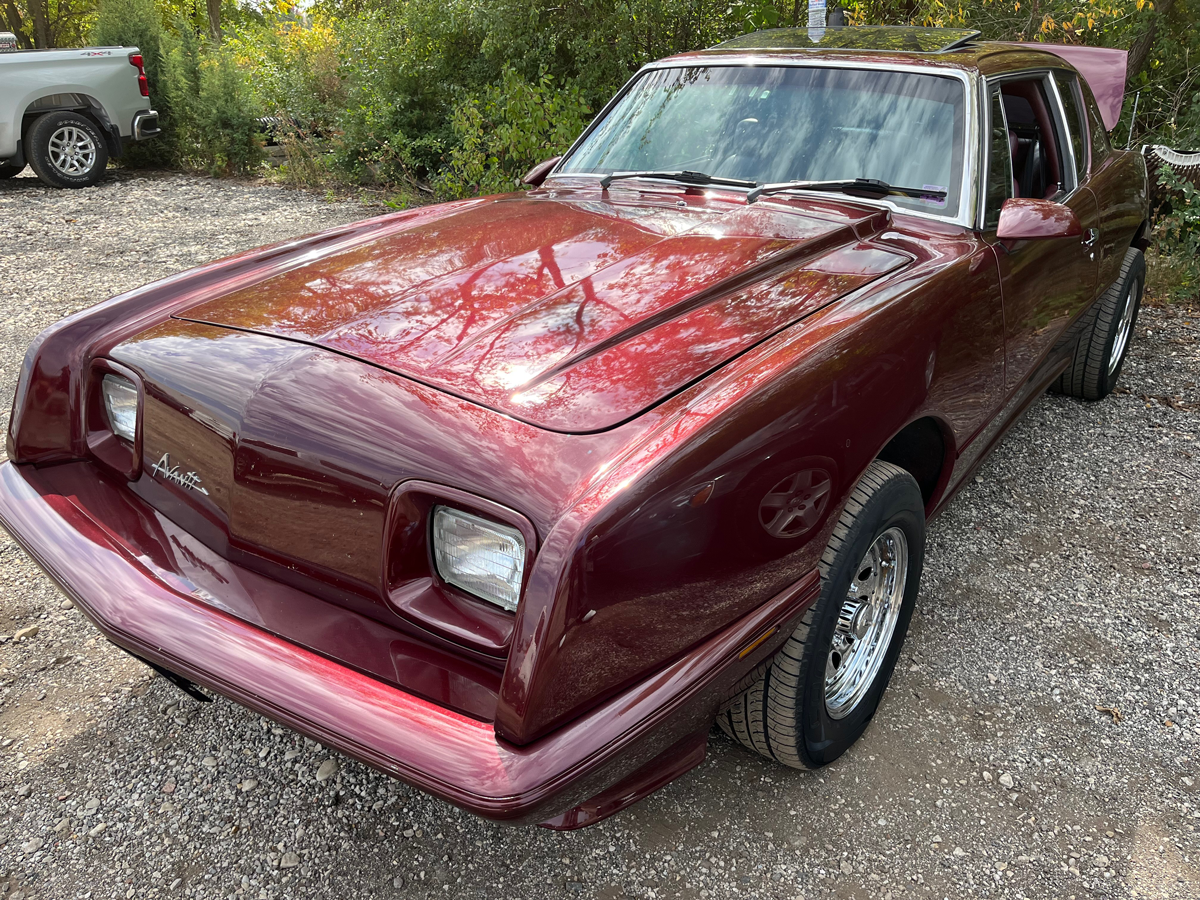
Fast forward to the early 60s and the company is on the ropes. It needed a halo car and that was the subject of this week’s car spot, the Studebaker Avanti marketed as “America’s only four-passenger high-performance personal car.” Introduced on April 26, 1962, at the New York Auto Show and at the Studebaker Annual Shareholders’ Meeting it was way ahead of its time in safety and performance.
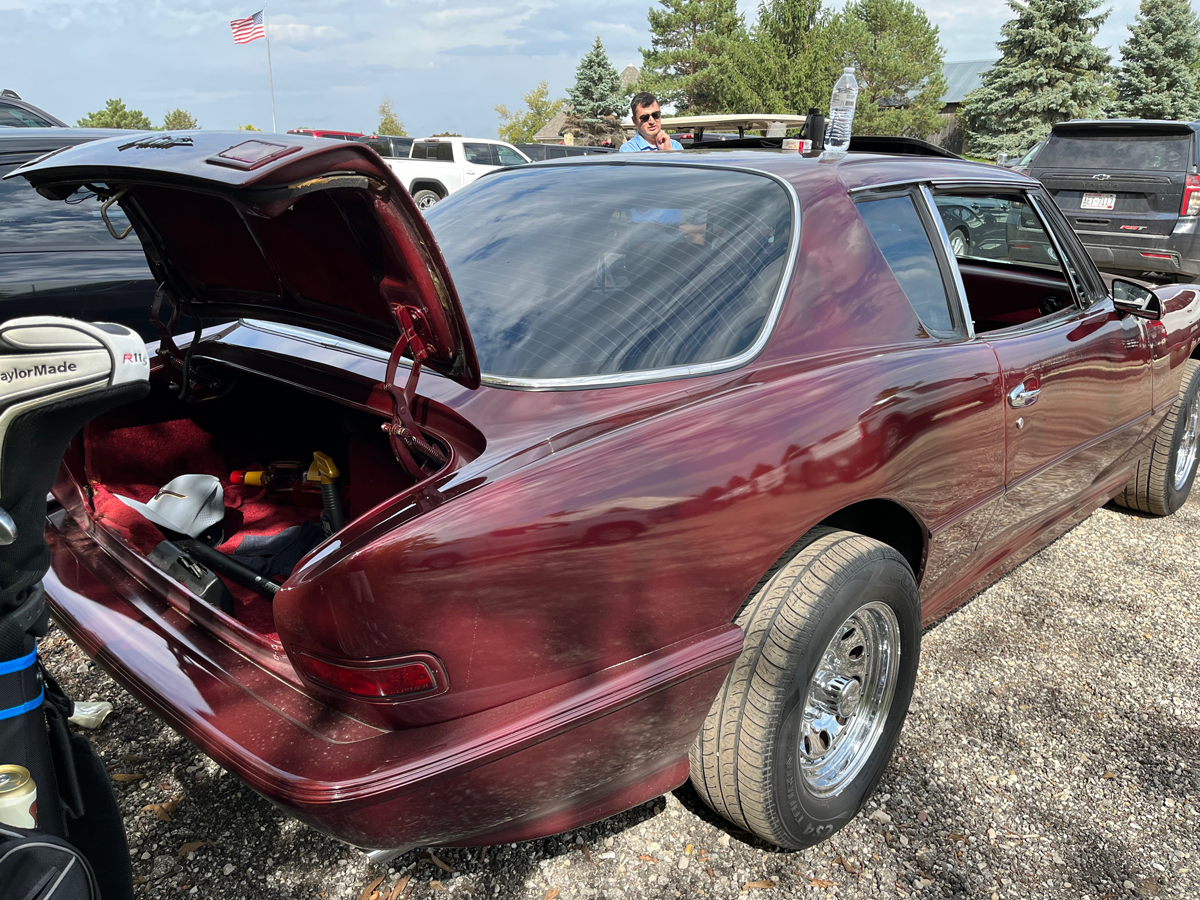
After its introduction a modified Avanti with its supercharged 289-cubic-inch R3 engine broke 29 world speed records at the Bonneville Salt Flats. At the time it was called the fastest production car in the world. Its complex body shape would have been both challenging and prohibitively expensive to build in steel so Studebaker instead manufactured the Raymond Loewy-designed car out of fiberglass and farmed it out to the same company that built the fiberglass panels for the Chevrolet Corvette in 1953. It later was taken in-house because of quality issues. Studebaker had planned to sell 20,000 Avantis in 1962 but could build only 1,200.

Related Spot: Two other Studebakers.
It was a bit too late and as word got out about the company’s financial troubles, people became afraid to buy any Studebaker. On December 9, 1963, Studebaker announced that it was closing the South Bend plant. The last Avanti rolled off the line on New Year’s Eve. During the car’s 18-month production run, the manufacturer built just 4643 units.
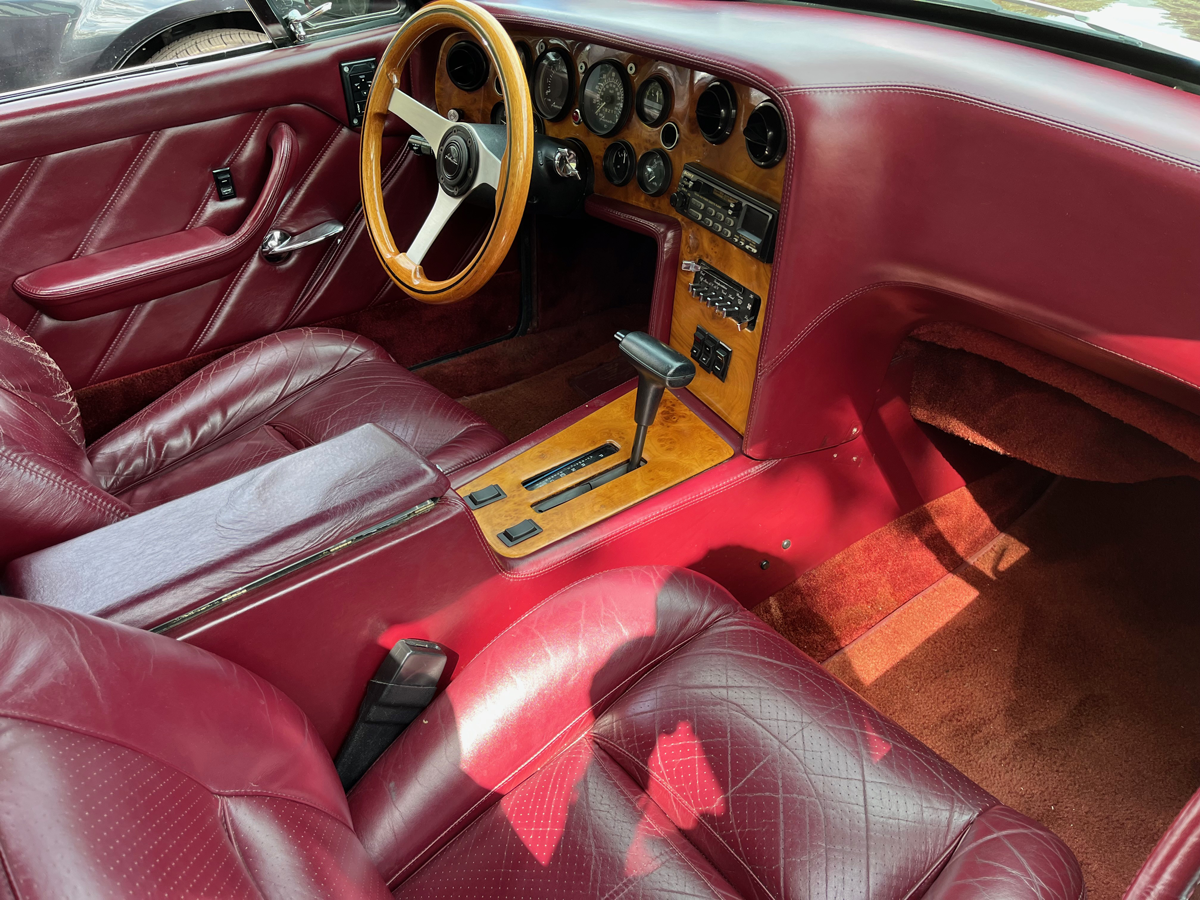
But the Avanti, like this one lived on. The name, tooling, and plant space were sold to two South Bend, Indiana, Studebaker dealers. They reintroduced a slightly modified hand-built version of the original Avanti using leftover Studebaker chassis and engines from General Motors. Since then the car has been bought and sold by several other ventures and manufactured in small numbers of modified variants including the Avanti II through 2006.

What are they worth now, Described as “one of the more significant milestones of the postwar industry”, it’s surprisingly affordable. According to Hagerty a 64 in Concours condition is $64,500, however, the 64’s jump way up in value with Concours condition setting you back, $148,000. One in the era of this Avanti can be had for around 20 grand.
Thanks for stopping by and checking out this spot. Come back next week for another one along with some of its history. Have a great weekend.


Very interesting car, with a very interesting history. I knew pieces and bits about it but not the full tale, thanks for sharing.
A couple of years ago I saw one in front of a repair shop, here in Stouffville, Canada; the same color as this one here. I took some pictures.
So I guess is not easy to tell the original one, built by Studebaker from the one built after.
LikeLike
The headlights on the original were round.
LikeLiked by 1 person