A twentieth-century Conestoga wagon
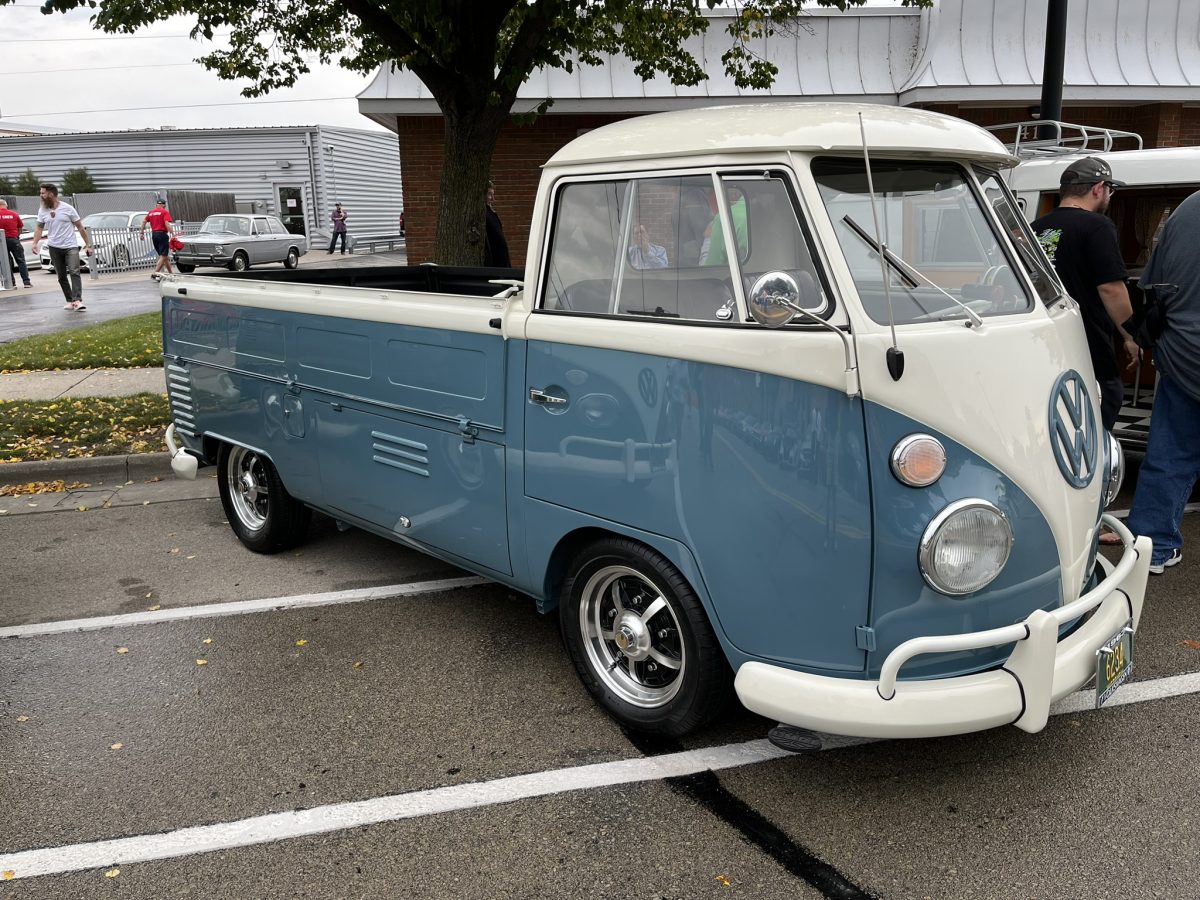
In some ways VW of the 60s could be compared to Chrysler of 80s utilizing one platform to create so many vehicles. This week’s spot, a VW single cab pickup is a great example of the company’s ingenuity. Introduced in the early 50s it was one of the most advanced commercial vehicles of the time due to its frameless unit-body construction.
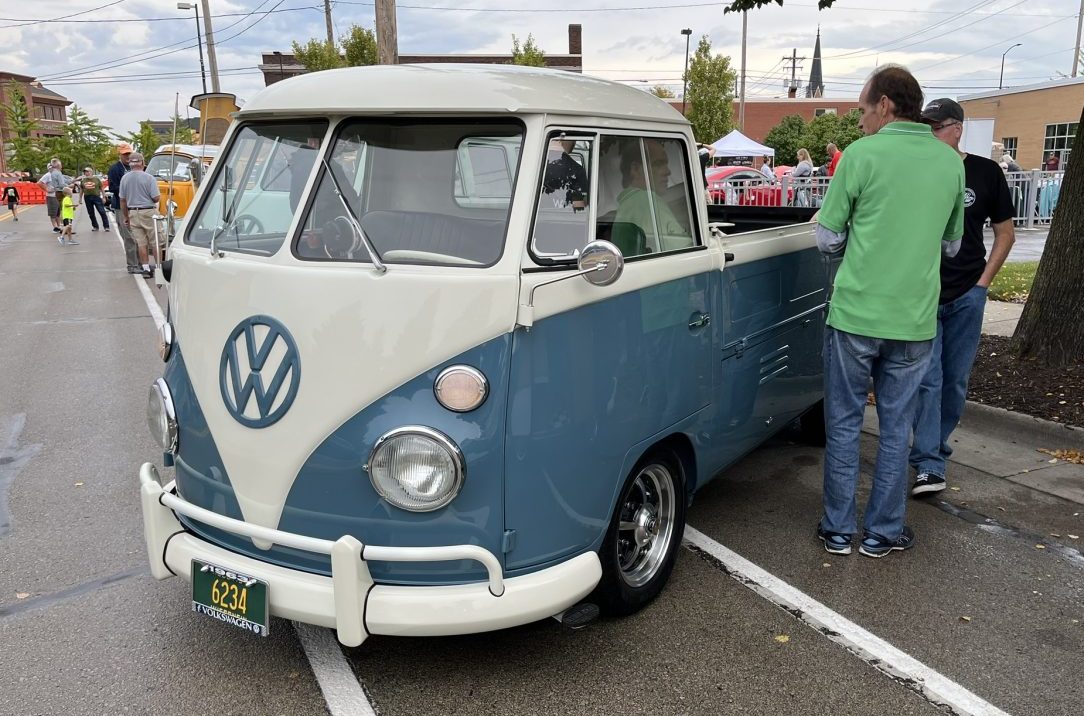
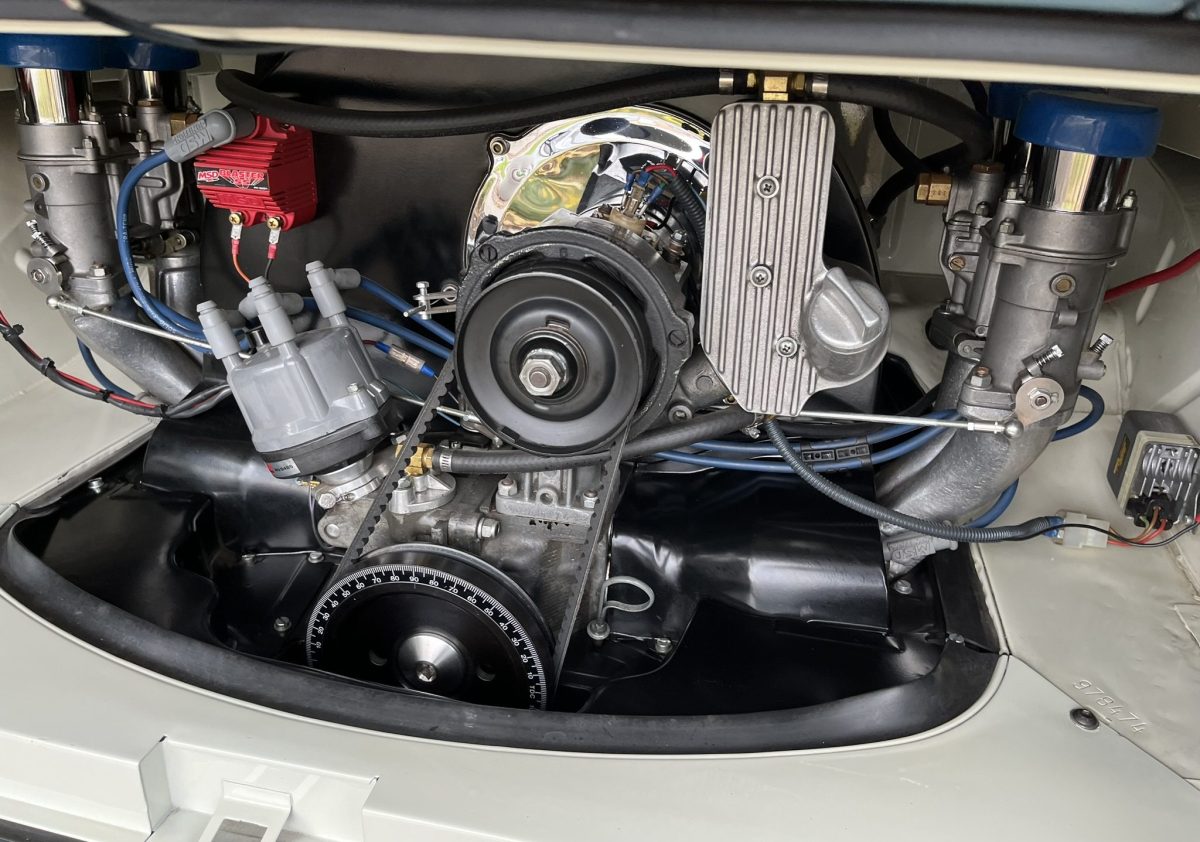
The Volkswagen Transporter, initially the Type 2, was a range of light commercial vehicles, built both as vans, pickups, and cab and chassis variants. It was their second mass production light motor vehicle series, and inspired by an idea and request from a VW importer. Because it was derived from the Beetle, VW engineers shared many of its mechanical components to keep development costs down. The four-speed manual transmissions and air-cooled boxer four-cylinder engines (1,200, 1,300, and 1,500cc) powered both vehicles through 1967. Also from the Beetle came its basic four-wheel independent suspension with enclosed torsion bars, modified for heavy-duty use. Top speed was a blistering 55-60 mph.
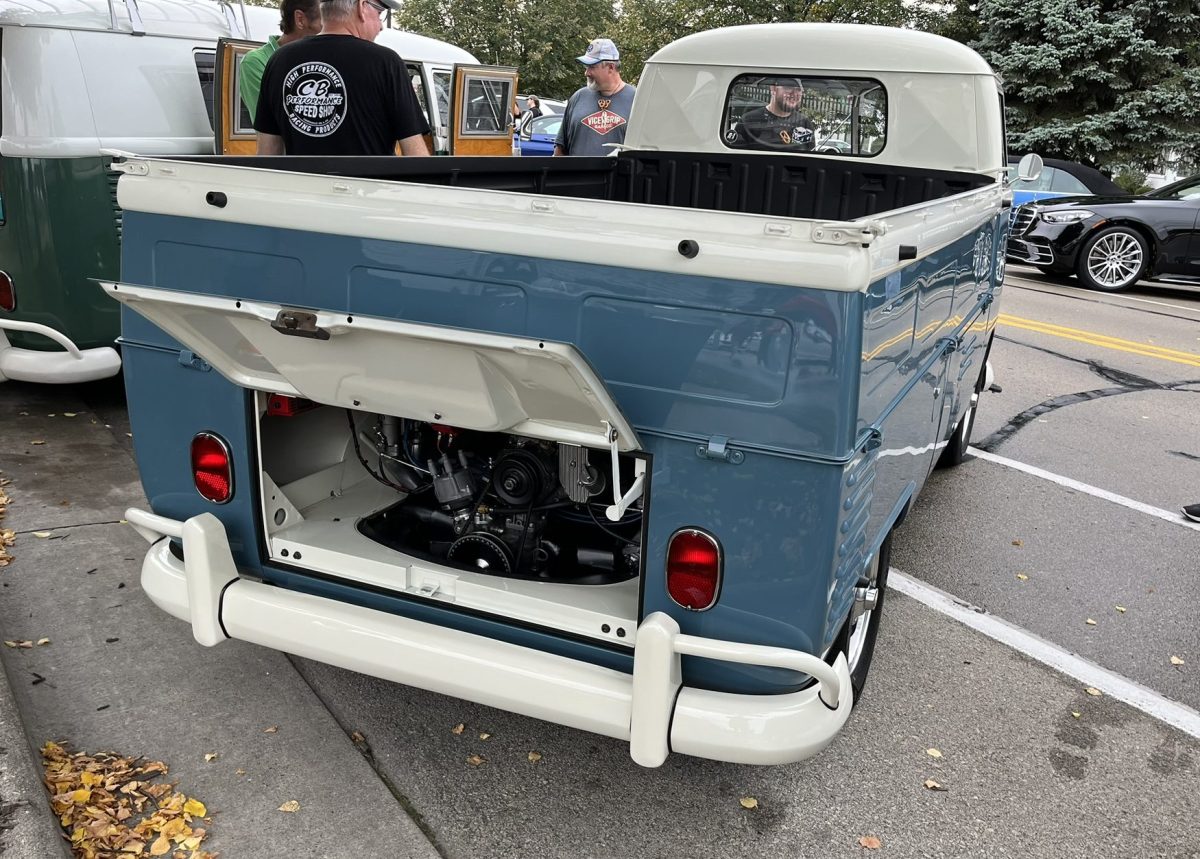
The Single Cab pickup provided a single bench seat for the driver and 2 passengers up front with a large pickup bed at the rear. The bed sat slightly higher than other pickups because of the height of the engine’s upright fan shroud, but inner fender wells weren’t needed, so that made up for it. VW found great use for the extra space, offering an optional “tool box” (aka “treasure chest”) compartments with locking doors. Perfect for storing tools and materials safely and out of the weather. This well-thought-out design also had all three sides of the bed that were actually hinged “gates” that could be unlatched and folded down to provide a flat surface that could be loaded without having to lift the cargo up over the sides of the bed.
In ten years of production, the 1962 Pick Up gained engine displacement, grew a full-length dashboard, new bumpers and DOT-approved lamps, received a better fresh-air ventilation system and minor sheetmetal refinements. In many ways, its forward cab was ahead of its time, and American auto manufacturers caught on, introducing the Ford Econoline, the Dodge A100, and the Chevrolet Corvair 95 Corvan.
RELATED Spot: A rare 70 VW Kombi Microbus.
The vehicle, and its variants, sold well in the US into the early 60s until the United Auto Workers lobbied for the then called “Chicken Tax” implemented by President Johnson as a way of reducing competition with trucks made by its members in the US. Within a year, VW commercial vehicle sales in the U.S. dropped by two-thirds. While production in Germany ended in 1979, Brazil continued to manufacture the Type 2 for decades, finally ending production on 31 December 2013, because of tougher safety regulations.
You don’t see these around much anymore. This one I spotted at a car show up in Green Bay featuring German vehicles. Finding a Single Cab like this will not be easy but doable. Plenty of the Double Cabs are out there though. Expect to pay somewhere from 20-30 grand for one in good shape and most likely manufactured in Brazil.
Thanks for stopping by and reading about my latest find. Comeback next Sunday for another one of my spots along with some of its history. Have a great week.
These changes were all evident in owner Yiannes Einhorn’s Dove Blue Pick Up. With its split windshield, Silver White “towel rack” bumpers and matching foot-tall VW emblem, it is instantly recognizable. The two-box shape and sparse appointments betray its utilitarian purpose: This is a work truck first and a collectible vehicle second. “I’ve driven it to the dump, to get wood for the workshop, and to bring home our Christmas tree each year,” says Yiannes. “It’s a seriously usable truck.”
 Savage On Wheels
Leave a comment