
One of the cars that saved Chrysler
On the verge of bankruptcy several times but always seemed to come up with something new to keep the lights on, and this week’s spot is a great example, a 1996 Plymouth Voyager I discovered tucked away on the back lot of a car dealership, looking sad.
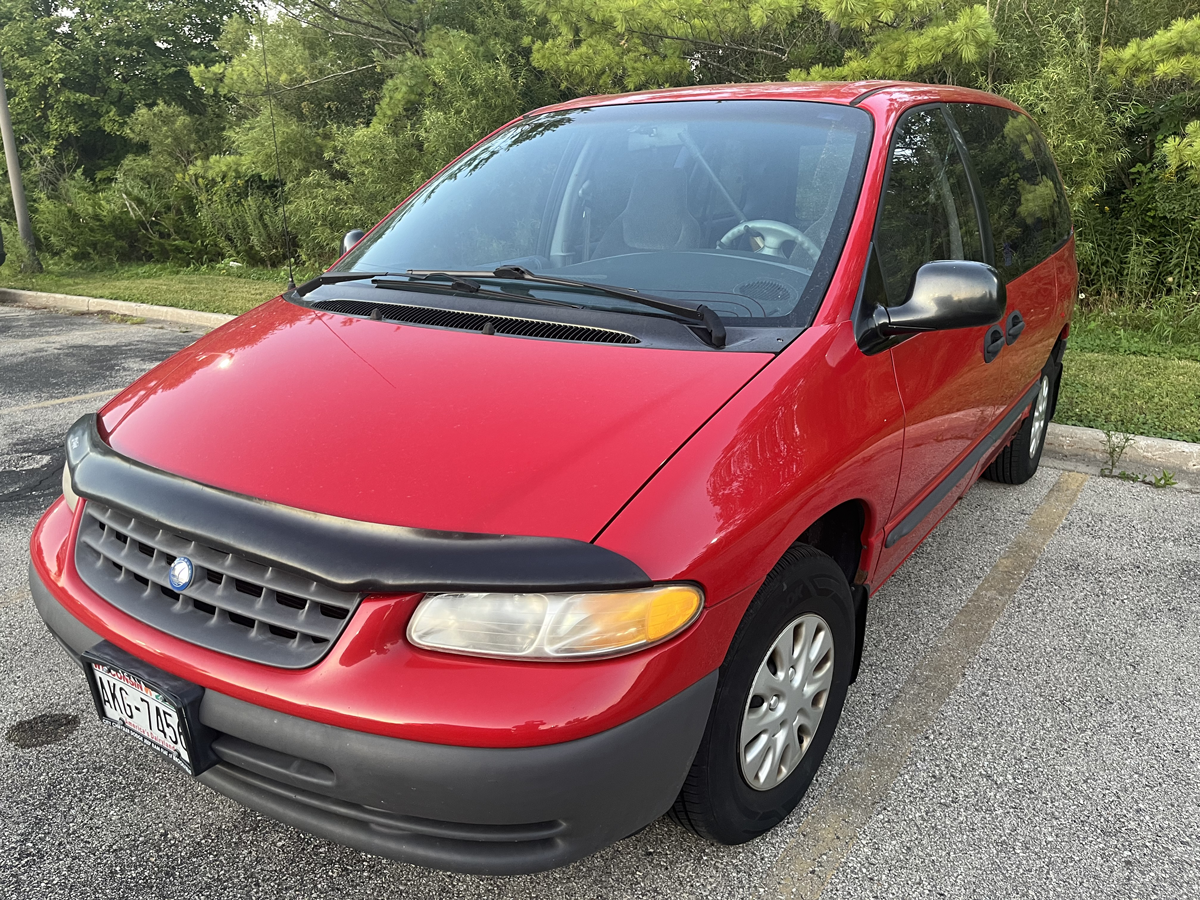
Already the inventor of the minivan category, they reimagined it with the introduction 1996. The previous K-car automobile platform and architecture were replaced with modern components and utilized Chrysler’s cab-forward design. The third-generation redesign was built on the new Chrysler NS platform and included a driver’s-side sliding door, a minivan first. Unlike the outgoing model, this third-generation Voyager was marketed as the entry-level Chrysler minivan rather than as a direct counterpart of the Dodge Caravan. The 1996 Plymouth Voyager had a starting MSRP that varied by trim, ranging from approximately $16,615 for the base model to $19,310 for the SE model.


While sharing the same body, the Voyager and Caravan shared the same body there were things that were done differently to set them apart. The Voyager used matte gray bumpers across all trim levels with matte gray side moldings. Before the calendar year 1996, the NS Voyager was produced with the Pentastar grille emblem and rear badging carried over from the previous model year, shifting to the “sailboat” Plymouth grille emblem and new badging in script font afterward.

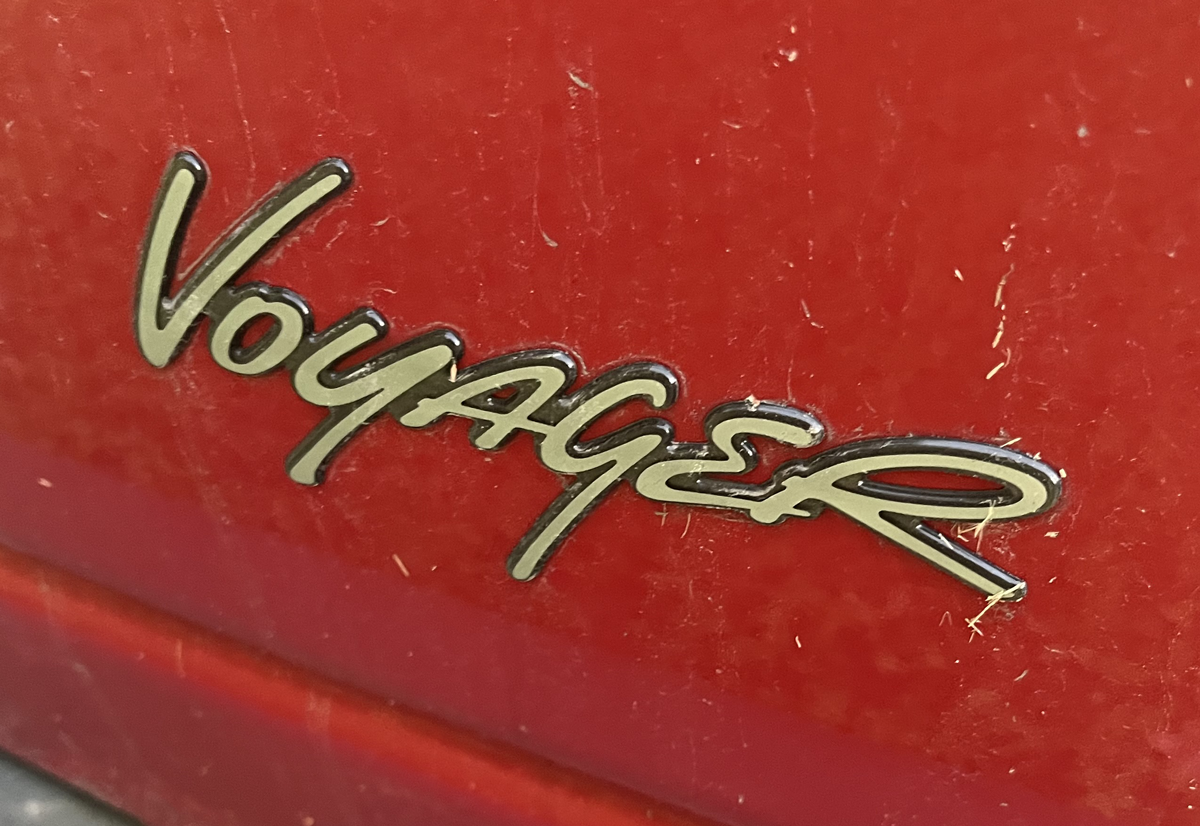
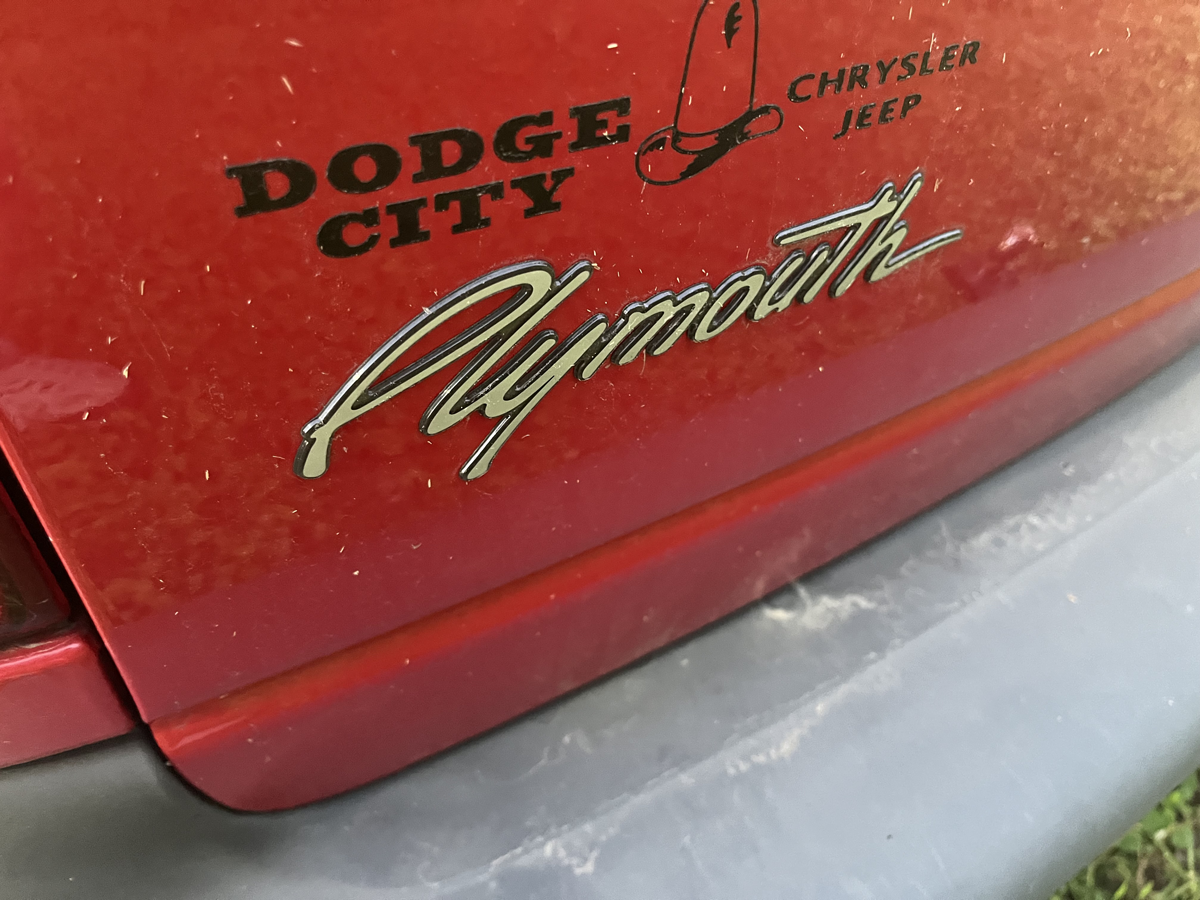
The magazines really liked this new and improved version, highlighting its value, comfortable and quiet ride, and exceptional handling for a minivan. The Voyager was listed on Car and Driver magazine’s Ten Best list for 1996 and 1997. While the base 4-cylinder was underpowered, the optional 3.3L V6 provided sufficient power, and features like dual sliding doors and ample cargo space made it a family-friendly choice. However, in typical Chrysler fashion, some reviews noted potential issues with the transmission and electrical systems as the miles rolled up on the odometer.

Third-generation Voyagers and Grand Voyagers were equipped nearly identically to their Dodge counterparts, save for front fascias, badging, and the wheels on LE-trim vans, which are shared with the Town & Country. However, to maintain its position as the entry-level minivan, the Voyager was never produced with automatic headlights, fog lights, power driver’s seat and power mirror memory, or auto-dimming rearview mirrors.
The Voyager name moved to the Chrysler brand in 2000 when Chrysler killed the Plymouth name. It’s been back and gone a couple of times. After skipping the 2008-2020 fifth generation, the Voyager nameplate returned to use in North America for 2020 production, slotted below the Chrysler Pacifica and effectively replacing the Dodge Grand Caravan. Production numbers are sometimes hard to come by, but I was able to dig up some.
1996: 153,862
1997: 156,056
1998: 156,971
1999: 138,644
2000: 28,345
What are they worth now? Not even going to go there. If you can find one, and it’s in decent shape, pocket change will take it home. It’s a landmark vehicle that history has mostly forgotten. BTW, Ann and I went back to the dealership to talk to them about a new car, and the Voyager was gone. Maybe found a new home?

Thanks for stopping by and checking out my latest spot. Check back next Sunday for another one of my finds, along with some of its history. Have a great week ahead.
 Savage On Wheels
Leave a comment