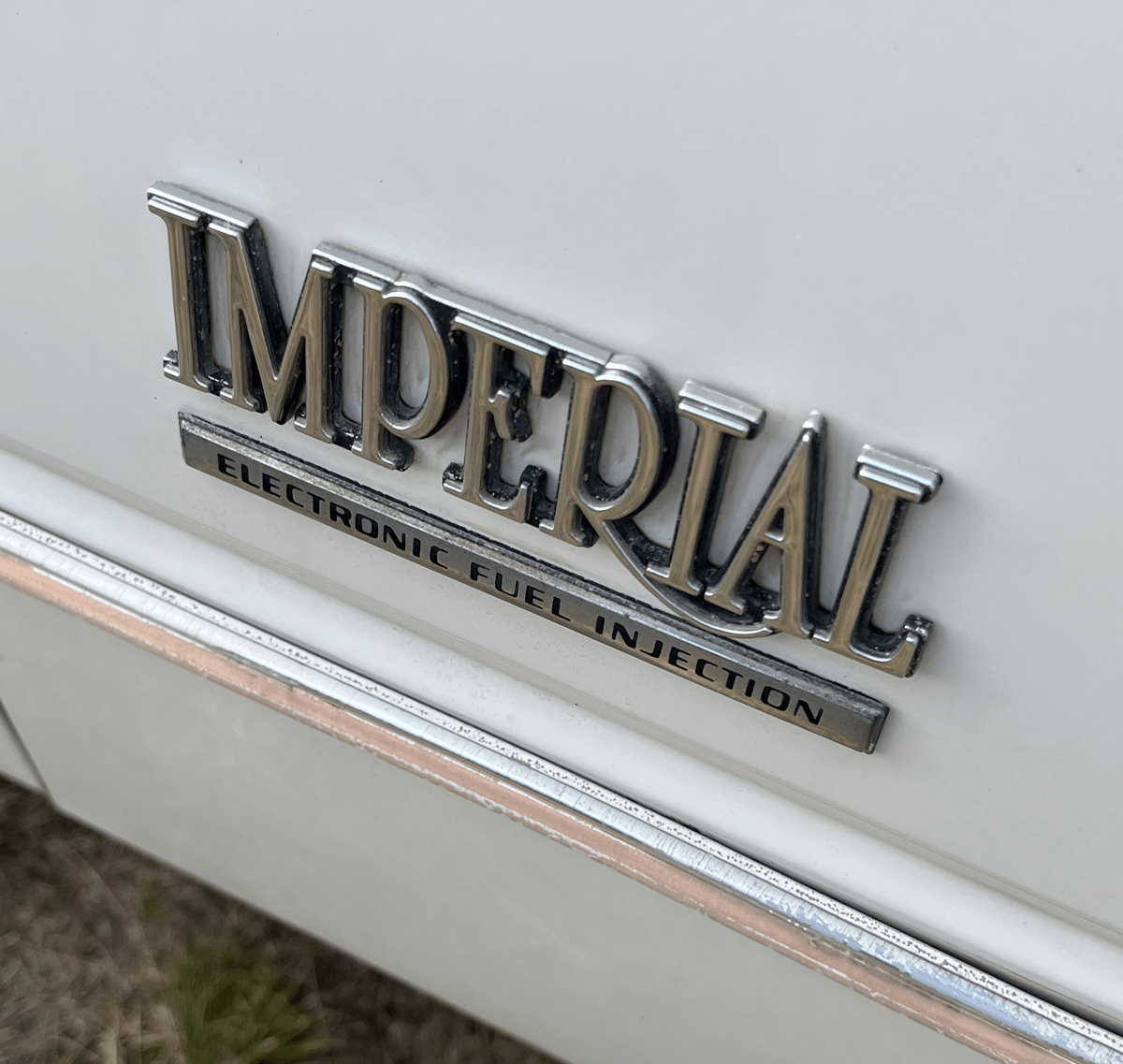
The company brings back an all-but forgotten badge
Dating way back to 1926 it was the company’s top-of-the-line vehicle so it was no surprise when Lee Iaccoco went to the well again in 1981. This newest edition, and this week’s spot, combined forward-thinking design elements, out-of-character build quality all in a one-price luxury package.
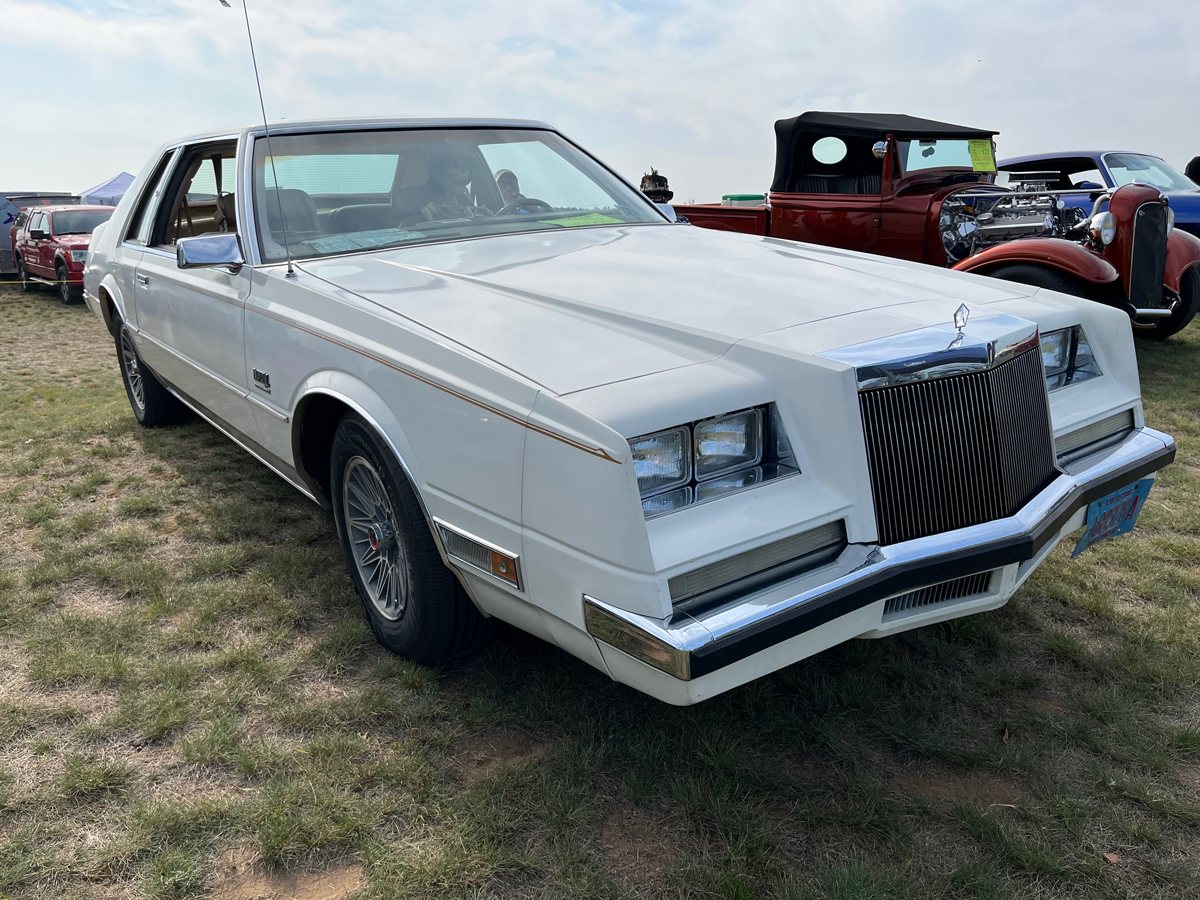
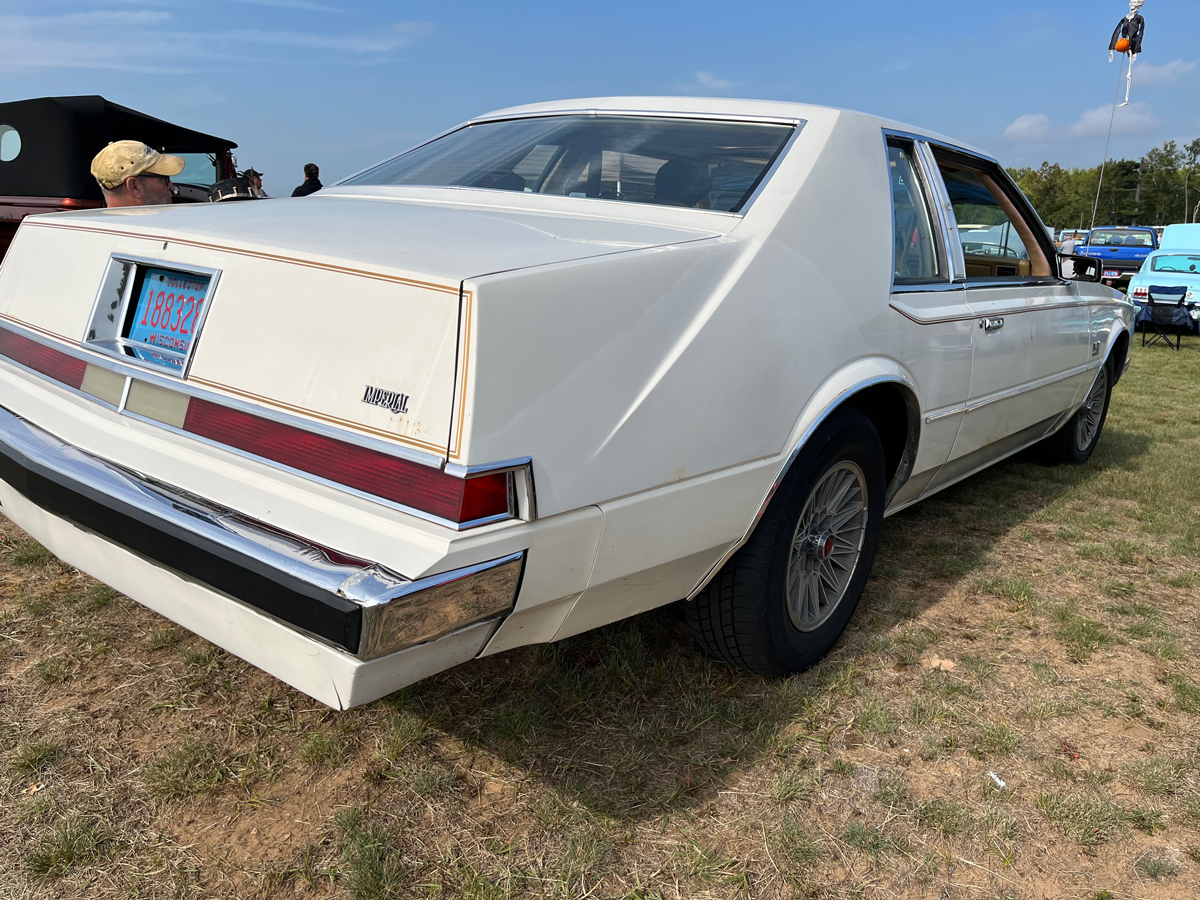
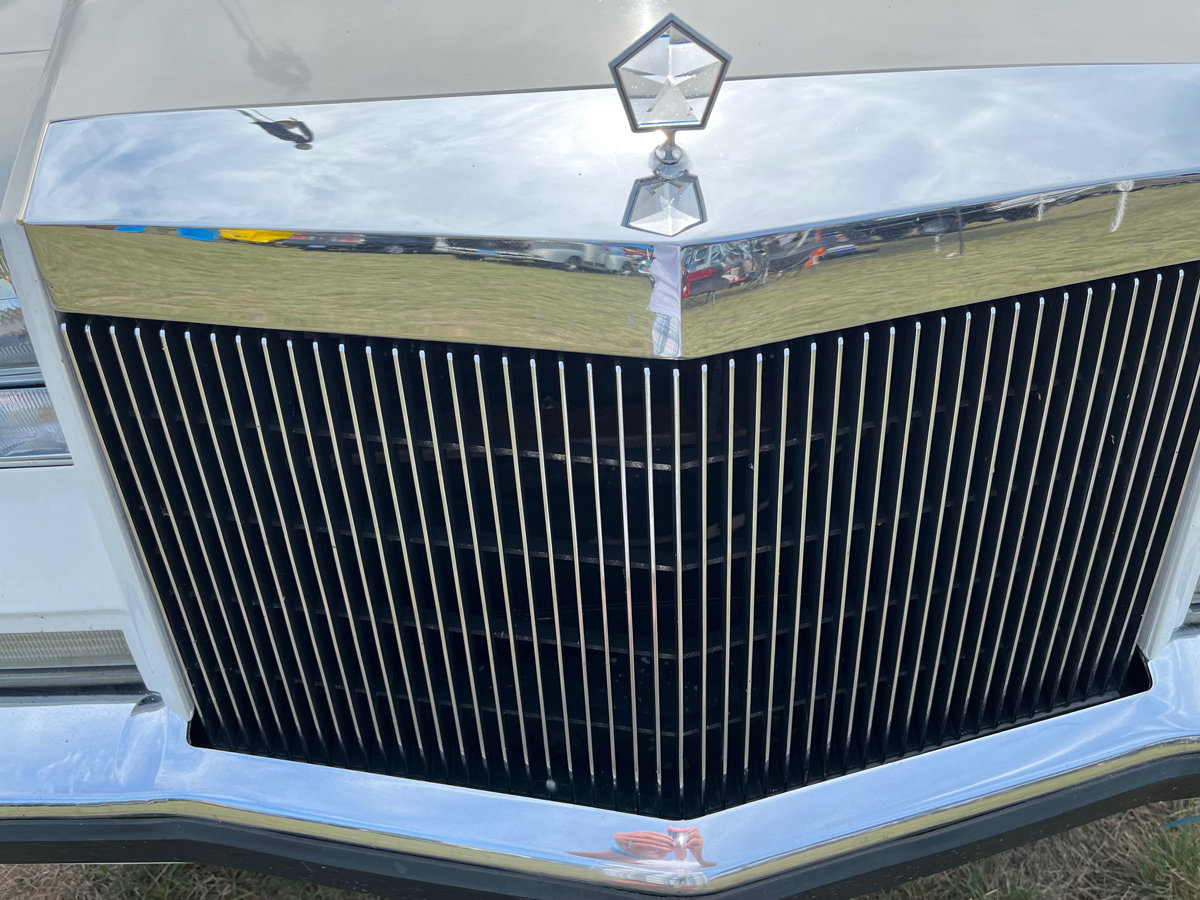
This iteration featured a formal, upright-yet-canted grille, aerodynamically hidden headlamps, and a bustleback rear deck, years before the Cadillac Seville, and more functional than the Seville’s. The primary body panels were stamped from a thicker gauge metal to help prevent dings. Those panels were also a better surface for paint, the first coat of which was wet sanded before being sealed under a second. This all came at a time when Chrysler wasn’t know for build quality.

Scrumpious is a word I’d use to describe the interior of this car with seating for six on Mark Cross leather or Yorkshire cloth. It was packed with tech before tech was a thing. The Imperial was the first domestic car to feature a completely digital instrument cluster. A multifunction panel was included, tied to a nine-button “information center” enabling drivers to easily monitor essential information. Something we pretty much take for granted now.
RELATED SPOT: Another landbarge of the era, Lincoln Continental Mark V
It rode on the same 112.7-inch wheelbase unit-body chassis developed for the Cordoba and Mirada. A front transverse torsion bar setup, with unequal-length control arms and an anti-roll bar and in the back with semi-elliptic leaf springs, hydraulic shocks, and an anti-roll bar. The Imperial however added the use of two rubber-insulated crossmembers that were intended to enhance the luxury vibe.
Under the hood was the latest variant of the tried and true 318-cu.in. V-8 engine developing an enimic 140hp and 240-lbs.ft. of torque, except that it was markedly different than that in any other car on the market. Chrysler was able to boast being the first domestic automaker to offer a continuous-flow electronic fuel-injection system as standard equipment. Developed by the same engineers who had worked on the Apollo moon program, the EFI was a fuel-metering system operating under the guidance of a combustion computer that monitored more than a dozen bits, adjusting the fuel/air mixture to optimum operation ratios depending on the type of driving. In an October 1980 article Motor Trend, was able to coaks the 4,000-pound vehicle to 50 mph in just 9.1 seconds, and reportedly achieved 23 mpg. Not bad for a lumbering beast.
RELATED SPOT: Chrysler Lebaron Woody Convertible
All this for just $18,311 and included several key luxury appointments that were extra-cost items on Cadillac and Lincoln. The only paid option was a power moonroof at $1,044. But even with that its final sticker price was below that of the competition.
Ahh but then there was that sketchy Chrysler quality at the time came rearing its ugly head. Engineers spent three years testing the new EFI and racking up thousands of test miles and in the process acquired 24 new Chrysler patents. What looked good on paper proved to be a huge problem in reality, frustrated owners some just gave up because the dealers couldn’t fix the system and just traded their Imperials in.

Chrysler had set a goal of 25,000 units per year but that never happened. Only 7,225 were built in the first year of production. Despite the appeal of the limited-production Frank Sinatra editions, announced in January 1981, together 10,981 Imperials were built through 1983 before the program was cancelled.
Today, the Imperial qualifies as a collector car under the AACA’s rolling 25-year rule and this for collectors, as the current value has yet to surpass half of the original MSRP sticker price.
Thanks for stopping by and reading about my latest spot. I have lots more on this site so go check them out while you’re here. Plan on coming back next Friday for another one my spots along with its history and have a great weekend.
 Savage On Wheels
Leave a comment