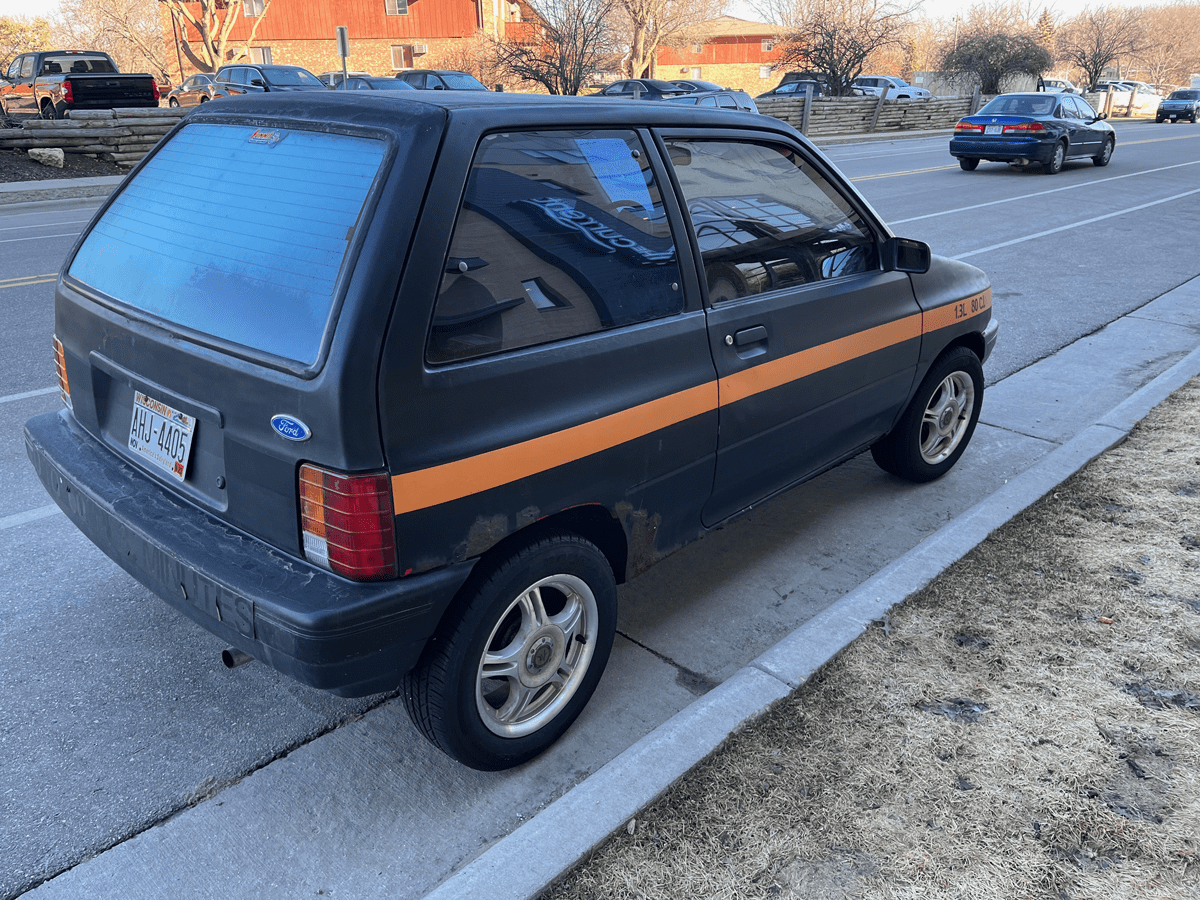
The International House of Ford …
Growing up in the 1970s and having a dad who worked in the auto industry, American Motors, I can tell you it was not a fun time. If this sounds familiar, let me know as it was pretty much all about politics.
Because the United States supported Israel in 1973, the Organization of Petroleum Exporting Countries (OPEC) hit us with an embargo that sent oil prices up 350%. Facing gas shortages, high fuel prices, and emissions regulations, many consumers opted for smaller, more fuel-efficient vehicles. U.S. automakers needed small fuel-efficient cars fast so they partnered with foreign companies that had such cars. Enter today’s car spot, the Ford Festiva.
It all begins with Ford’s hooking up with Mazda in the 1970s. Looking to stay even with GM’s Rotary-engine development and buying into Mazda’s know-how, but Mazda said no. They were however willing to sell Ford small pickups, which it then sold in the U.S. as the Ford Courier.
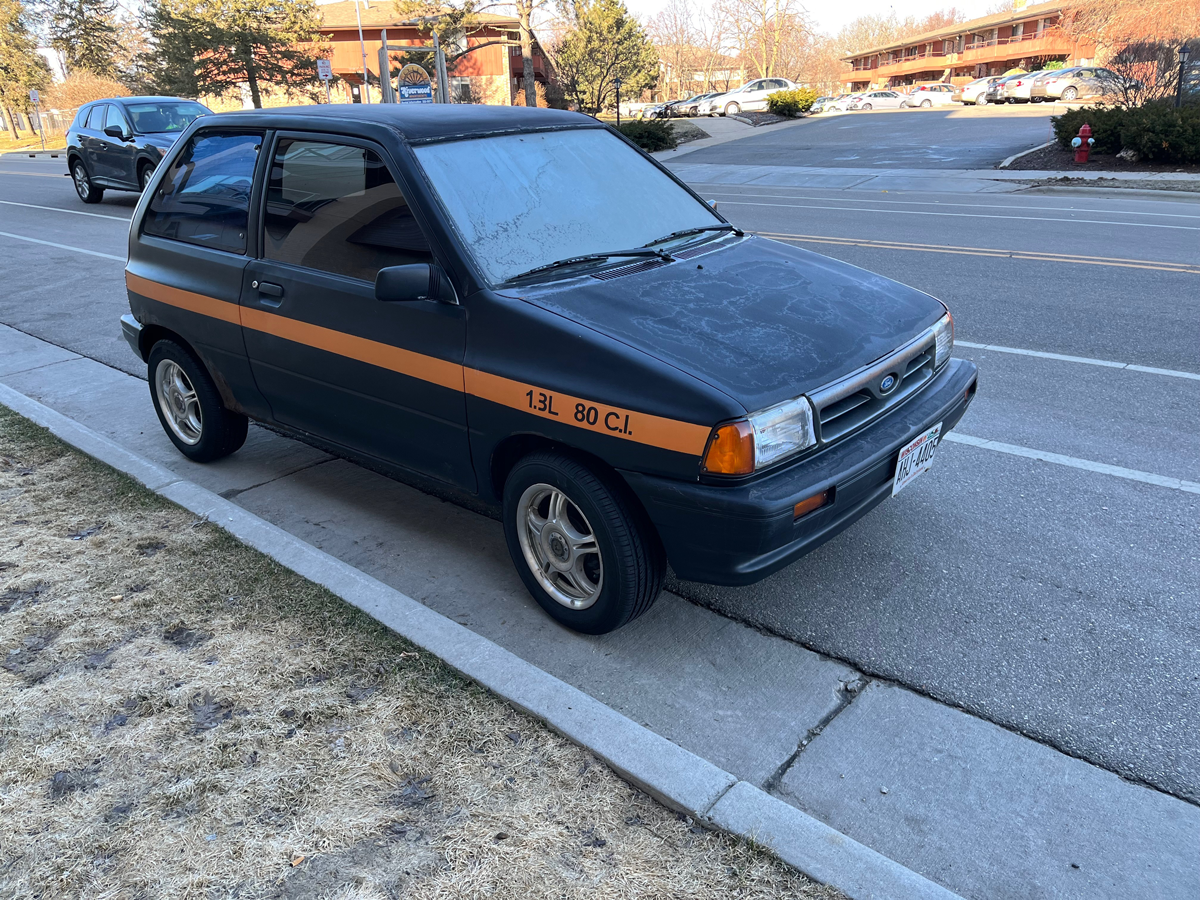
The Festiva came along in 1986 designed and made by Mazda for Ford between 1986 and 2002, It was sold in Japan, the Americas, and Australia. It was even made in Iran for a while.

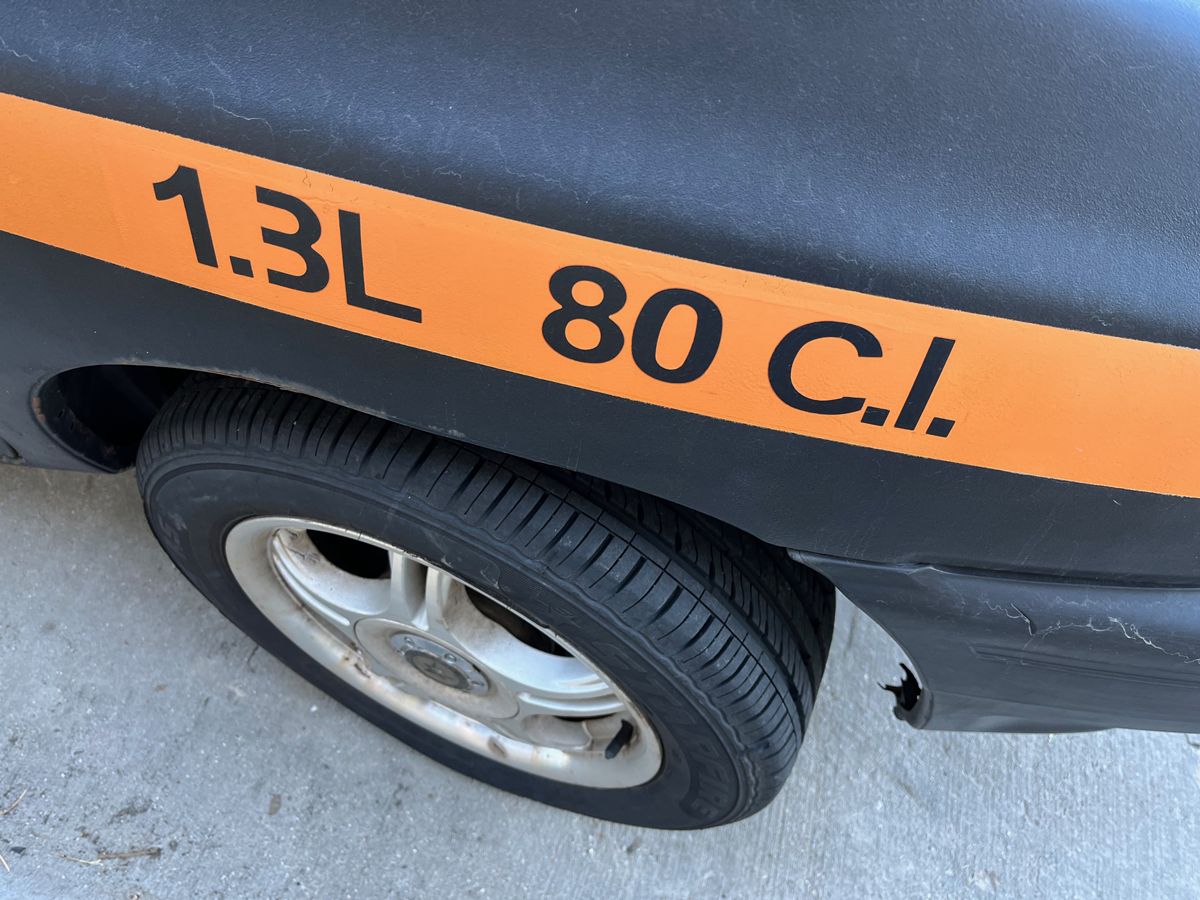
It was one of the cheapest cars you could buy in America at around $15,000. It had nothing in the way of the things we take for granted now, but of course most cars didn’t have much in the way of amenities back then. Its power came front a 1.3-liter SOHC four-cylinder engine that made all of 63 hp. Its top speed was a blistering 85 mph. Just for grins, want to know its 0-60 time? 19.8 seconds. Yup, going nowhere fast, or not!
I have personal experience with this car. A girl I was dating had one and I can tell you it was a POS. Hers had holes in the floor so it was kind like a Flintstone mobile. I also remember the brake pads being the size of the ones on motorcycles.
Since it was so cheap, the bar was set quite low. This was basically a bottom feeder, a step above some of the other cheap cars of the period like the Hyundai Excel or Yugo GV. Now, more than three decades after Festiva sales ended here, believe it or not, the car has a cult following in the United States.
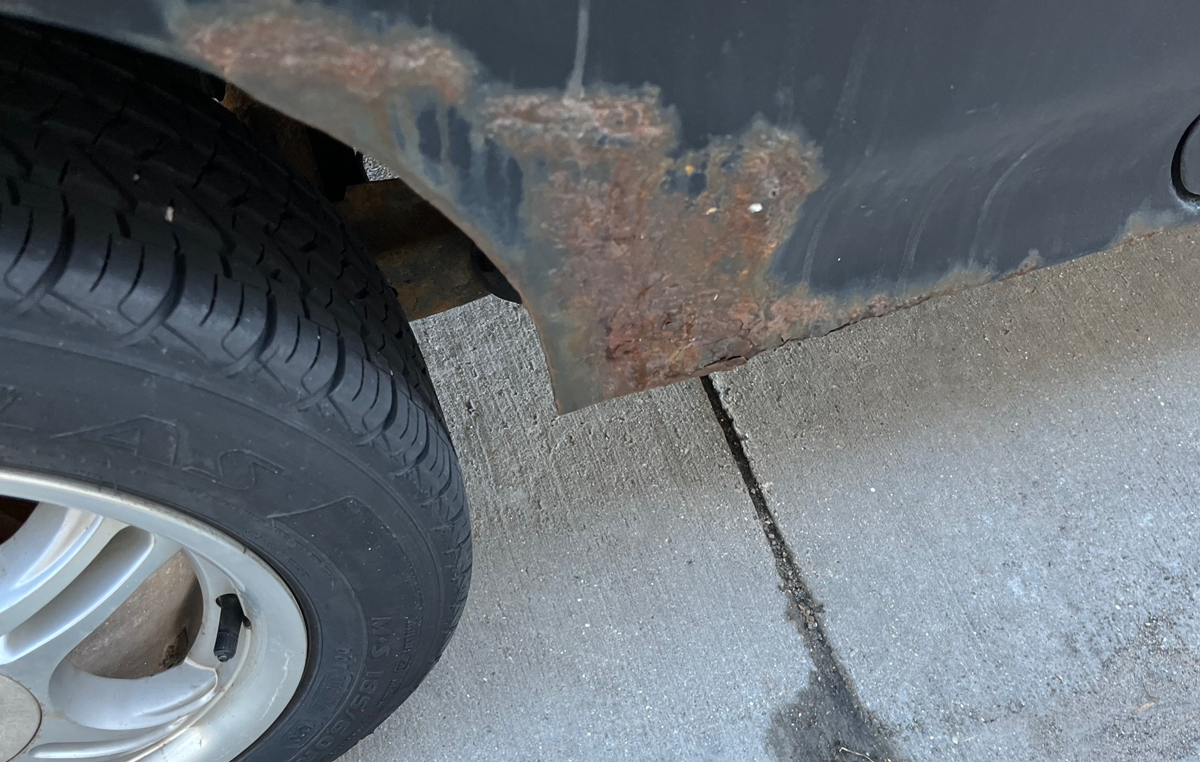
Despite being cheaply made, it’s proved to be a surprisingly durable car. Its character is defined by its light, go-kart-like feel and as a cheap used car that’s easy to make faster.
Here’s a great example. In 1990, two Ford-engineers built the Festiva Shogun powered by a mid-mounted Yamaha V6 sourced from the first generation Ford Taurus SHO, producing 220 horsepower.
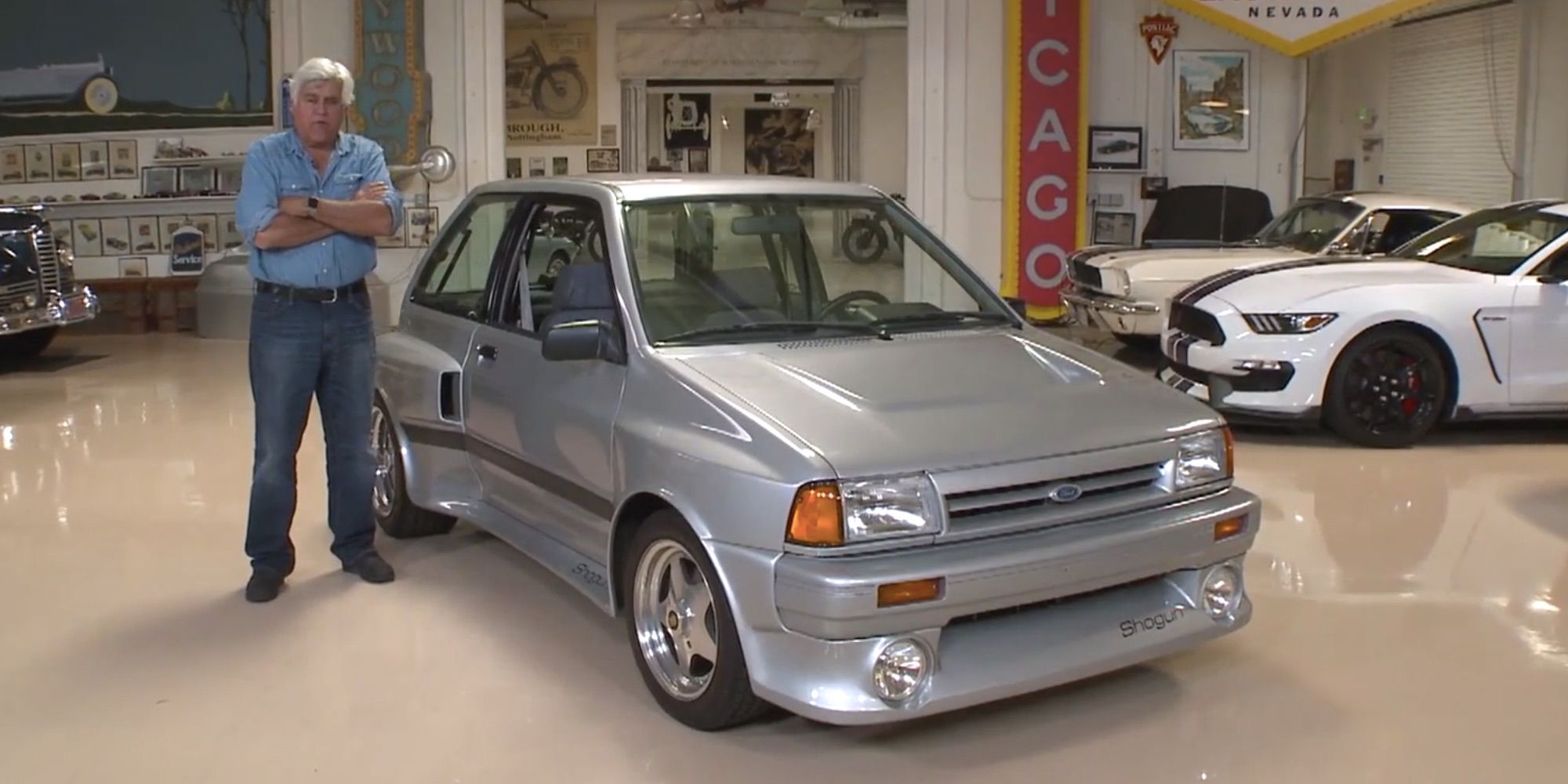
The Festiva Shogun was not an official Ford product and only seven were built. They had planned on building 250 examples but with an asking price of $42,000 in 1990 that never happened. Only six are known to still exist, including Jay Leno’s example above.
Thanks for stopping by and reading about this week’s spot. Be sure to check out my others and Mark’s new car reviews. Come back next Friday for another one of my spots along with its history. Have a great weekend.
 Savage On Wheels
I believe the Festiva was designed by Mazda, but the version sold here was actually built by Kia for Ford.
LikeLike
Think you’re right on that.
LikeLike
Thanks, I thought so. I was actually looking to buy one back in the day, but went with the Merury Tracer instead. It was also a Mazda design, but a much nicer car than the Festiva.
LikeLiked by 1 person